Beyond Airline-Approved: Pet Carrier Safety Standards
15th Feb•9 min read
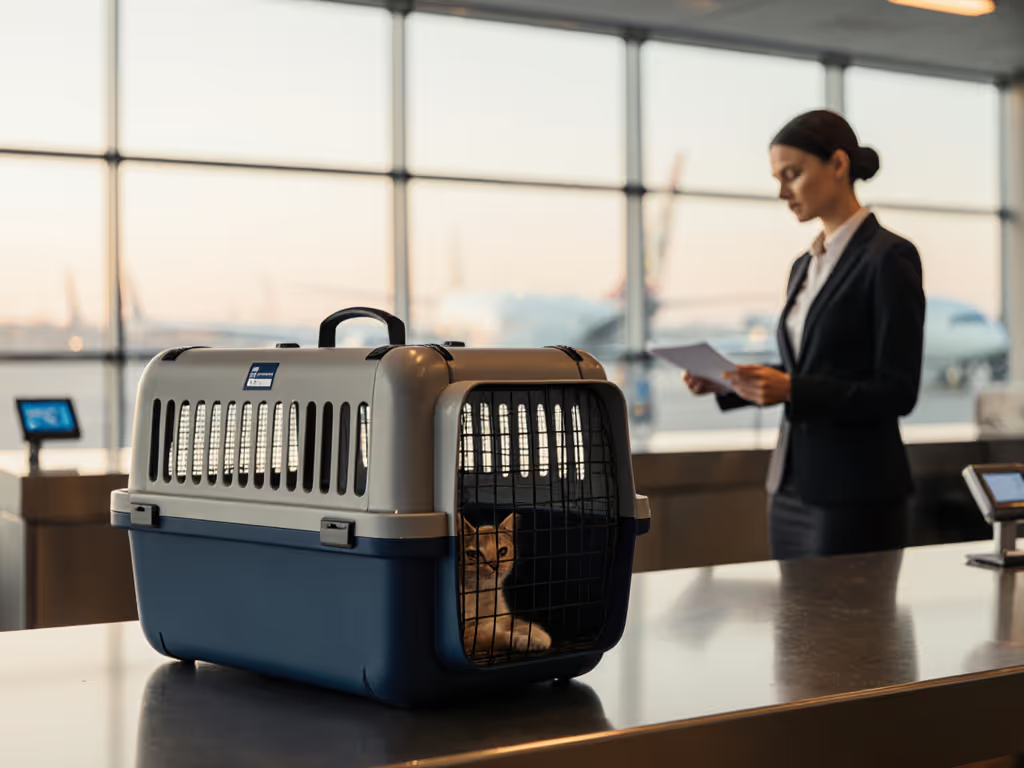
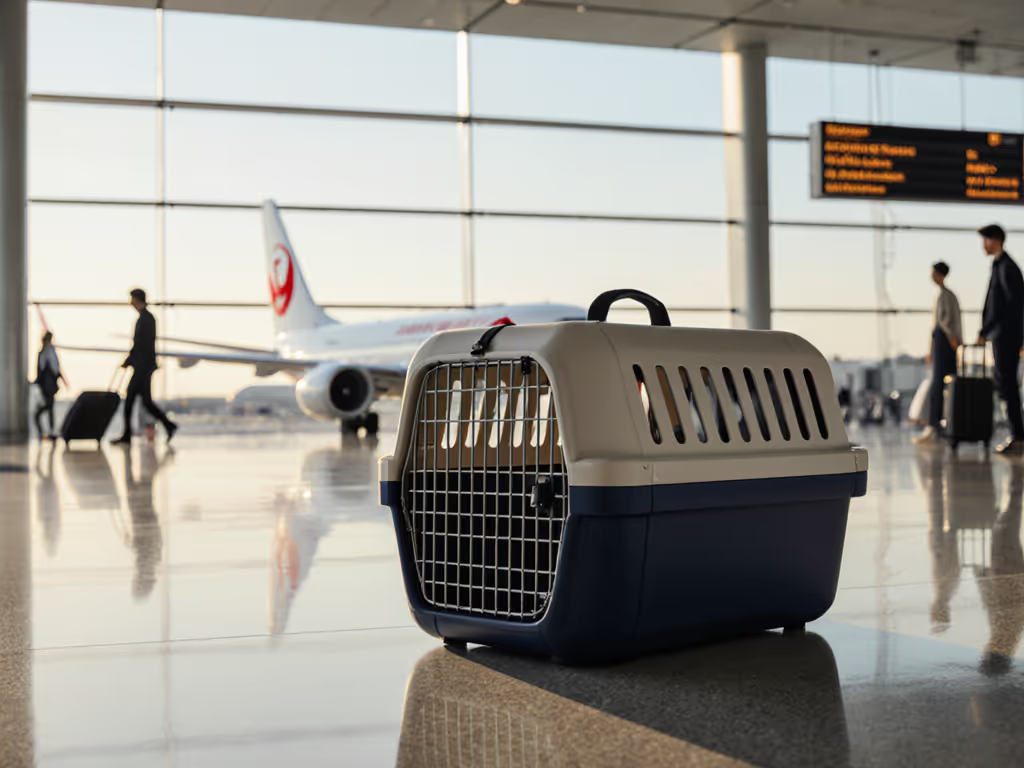
When your heart pounds as airline staff measures your supposedly airline-approved cat carrier bag against their ruler, you'll wish you'd understood what "compliant" really meant. Most pet parents don't realize that "airline-approved" isn't an official certification but rather a marketing term that means "this design follows general IATA guidelines." True compliance requires matching your specific airline's dimensions, construction rules, and international safety standards to the millimeter, not the brochure claim. I've seen too many heartbroken owners turned away at the gate because their carrier's mesh stretched under clawing stress or a zipper failed where tension concentrated. Weak points fail where stress naturally travels first.
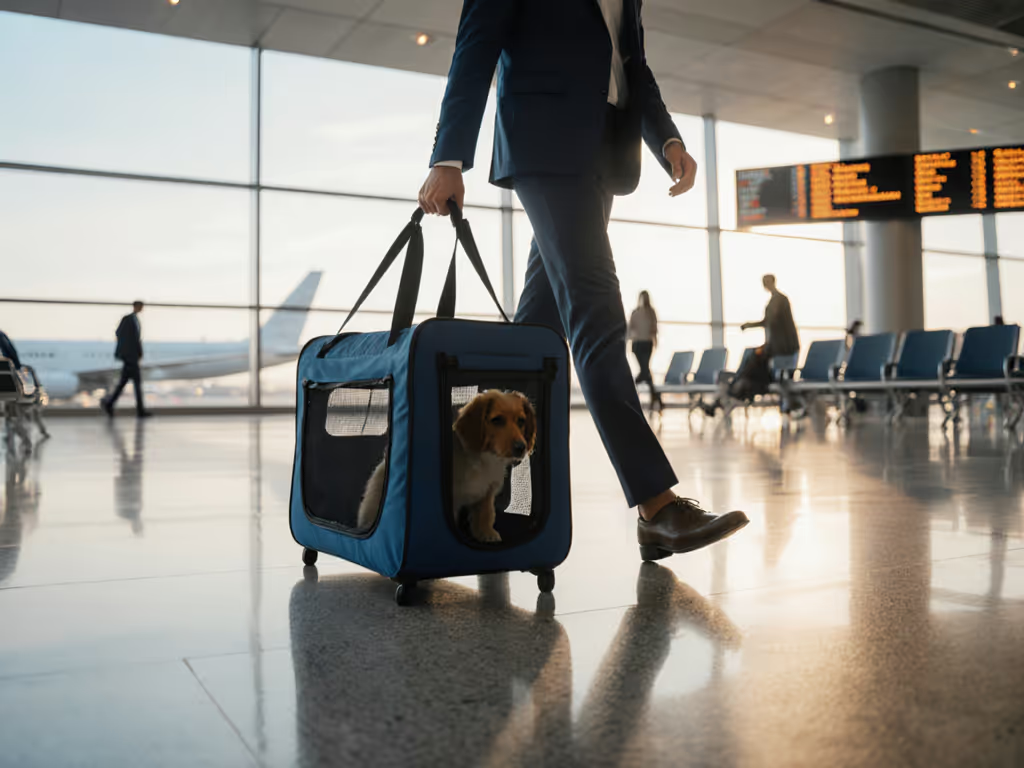
"Airline-approved" simply means the carrier roughly aligns with standard airline dimensions, typically soft-sided bags under 18x11x11 inches. But here's what manufacturers won't tell you: IATA doesn't certify or approve any carriers. Their Live Animals Regulations establish baseline safety principles, but each airline sets its own actual size limits based on aircraft seat pitch. United allows 18x11x11 inches, while Alaska Airlines requires 17x11x9.5 inches. For a deeper breakdown across major airlines, see our airline pet carrier regulations. Even carriers labeled "pet carrier airline-approved" by retailers can get rejected if they exceed your specific flight's constraints.
Pro Tip: Before buying, pull your airline's current policy PDF (not just their website summary) and verify:
Stress finds shortcuts.
I once tested a bargain carrier after a terrier blew a zipper mid-bus ride (under tension, the coil teeth skipped, the seam tape peeled, and the mesh laddered). Airlines reject carriers for stealth failures that don't appear in photos:
Conduct this 2-minute test: Load your carrier with a weighted pillow matching your cat's size. Shake it vigorously while measuring interior height. If it exceeds your airline's limit by even 0.5 inches, it's a gate denial waiting to happen. Compare what agents actually check at the gate in our gate-check carrier specs.
Standard "measure from nose to tail" guides fail long-backed cats. Use this vet-approved method:
Add 1 inch to height and 2 inches to length for movement. A cat that measures 10x8x6 inches needs a carrier with at least a 12x9x7 inch interior. Skipping this risks your cat being unable to stand, a fast track to denial. I've seen sleek carriers rejected because their tapered design compressed a Maine Coon's shoulders.
Forget "IATA-approved" labels, and inspect these failure points:
| Component | Failure Mode | Safe Spec |
|---|---|---|
| Mesh | Laddering under claws | Triple-stitched polyester ≤19mm openings |
| Seams | Peeling from body fabric | Bar-tacked reinforcement at stress points |
| Zippers | Teeth skipping under load | Reverse-coil design with 7mm pull tabs |
| Bottom | Flexing under weight | Rigid, non-slip panel ≥3mm thickness |
During testing, I apply 15 lbs of vertical pressure to soft carriers. If you're debating materials, start with our soft vs hard carriers analysis. Any flex beyond 10% indicates unsafe dimensional instability. A "cat pet carrier airline approved" badge means nothing if the mesh unravels when your Persian panics. Safety depends on the weakest component under real loads.
Country-specific carrier standards add critical layers beyond airline rules:
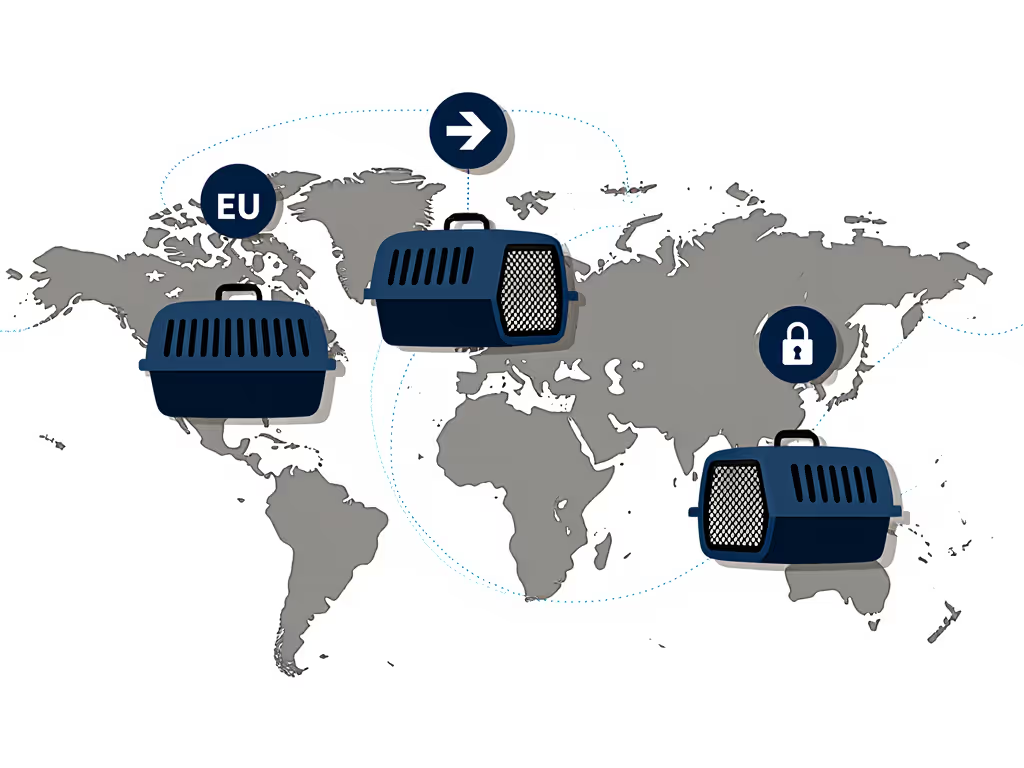
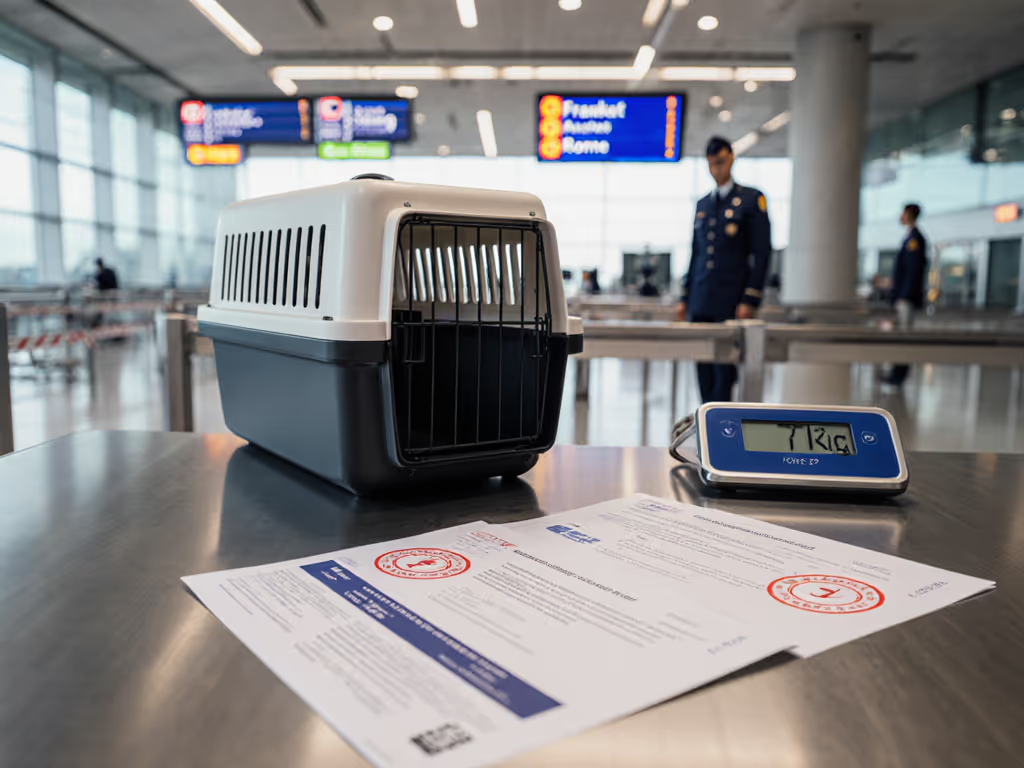
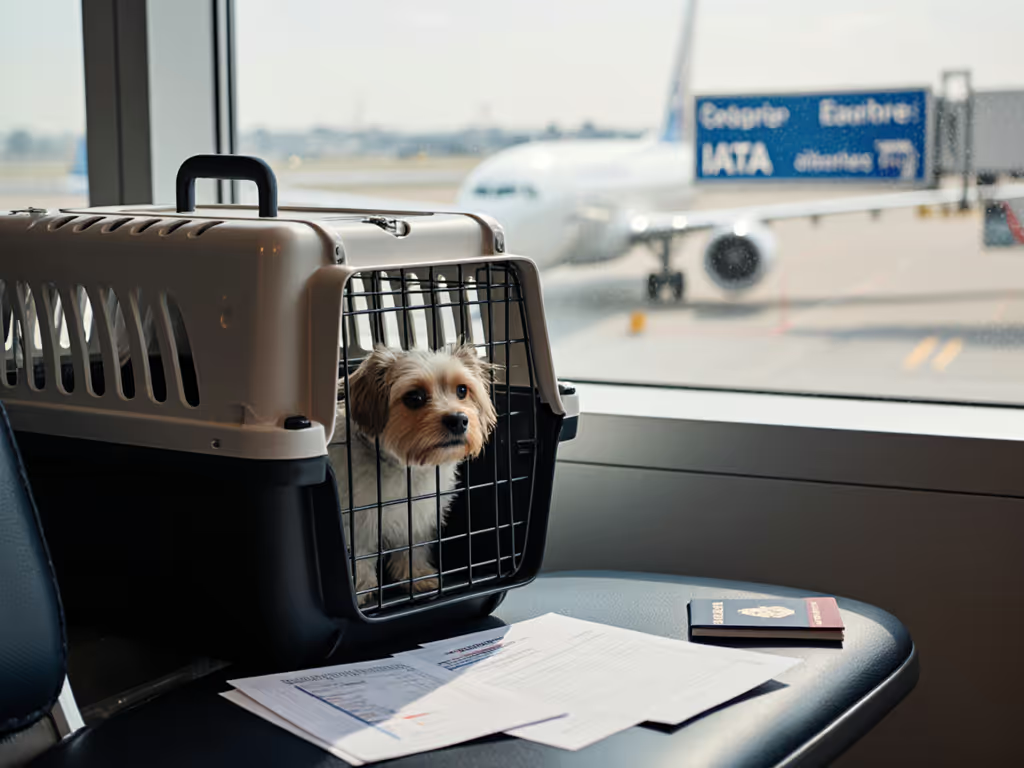
These global pet travel regulations often override airline policies. Plan ahead with our IATA requirements by country reference. A carrier that passes United's gate may fail Tokyo's customs if it lacks anti-escape wire mesh. Always cross-reference:
"LIVE ANIMALS" labels aren't just bureaucracy, they're physiological aids. Handlers tilt carriers differently when they see:
I've documented cases where unlabeled carriers got mishandled in cargo holds, causing overheating. Proper safety label explanations guide handlers to treat your pet as a living passenger, not luggage. Learn which markings genuinely matter in our safety labels and certifications explainer. Never cover vents with labels, use reflective tape on corners instead.
Avoid gate denials with this actionable framework:
True airline compliance isn't about buying the "right" bag, it's about matching your carrier's physical behavior to the forces it will face. That $40 "approved" carrier might fail at 30,000 feet when your cat's claws find the mesh's weak point. Invest in overbuilt construction where stress concentrates: reinforced bar tacks, reverse-coil zippers, and mesh that won't ladder. Your cat's safety depends on components that perform under load, not marketing claims. When you choose wisely, you won't just clear the gate, you'll travel with the confidence that every seam, stitch, and slider has earned its place.