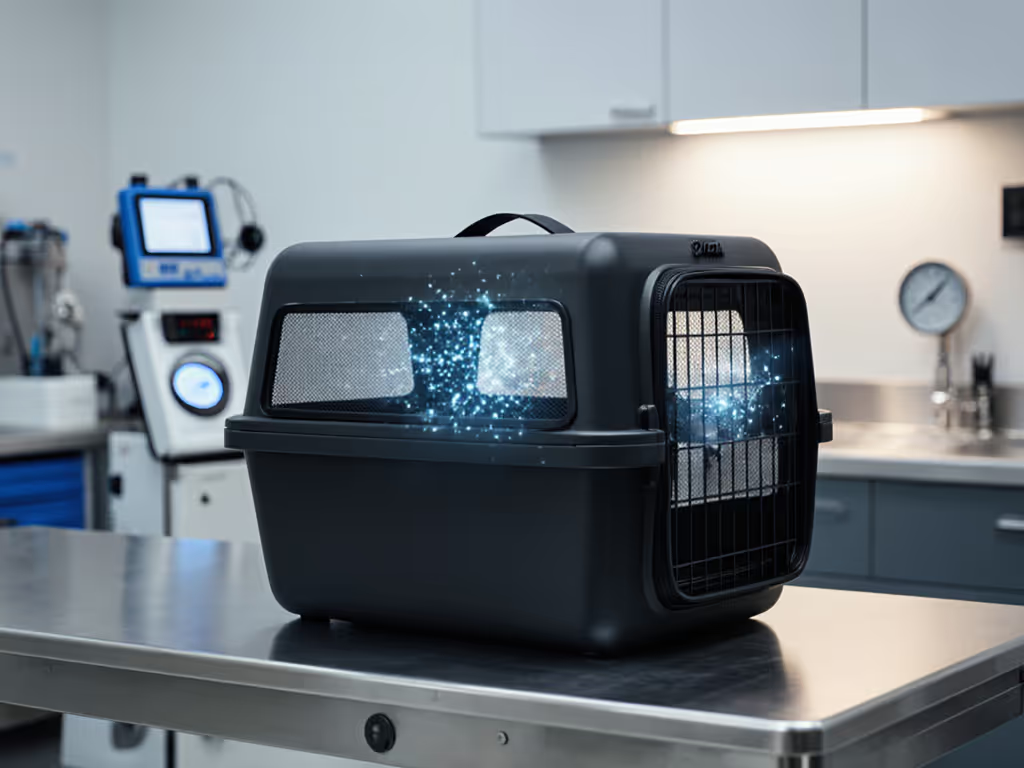
Pet Carrier Ventilation Science: Testing Guide
27th Mar•9 min read
Pet carrier thermal science and material temperature regulation might sound like abstract engineering topics, but they're deeply connected to your pet's emotional state during travel. A carrier that maintains the right temperature and airflow doesn't just protect your pet physically, it creates an environment where arousal drops naturally, fear recedes, and trust grows. For the technical breakdown of fabrics and heat transfer, read our carrier material science guide.
The materials and design choices you make today directly influence whether your pet feels trapped and panicked or, conversely, whether they experience the carrier as a safe, predictable space. Understanding this relationship changes everything about how you approach carrier selection and acclimation.
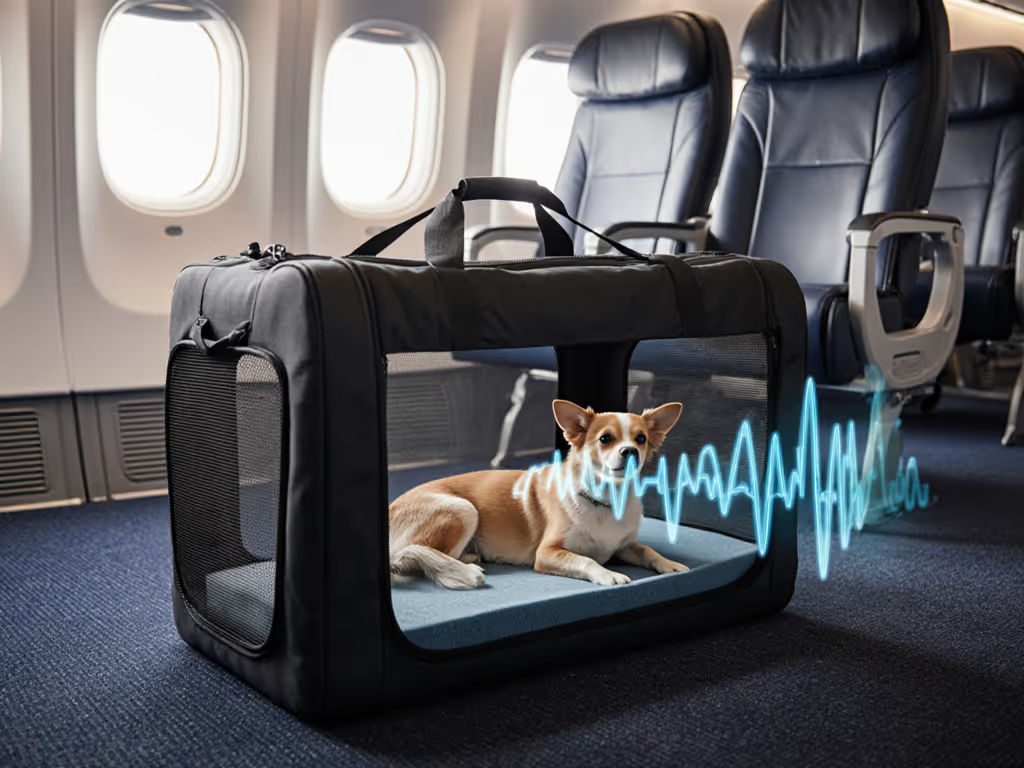
When a pet overheats or shivers in a carrier, their nervous system shifts into high alert. Blood pressure rises, cortisol spikes, and the animal's natural response is to escape (scratching at mesh, vocal distress, panting). These aren't behavior problems; they're thermophysiological stress signals.
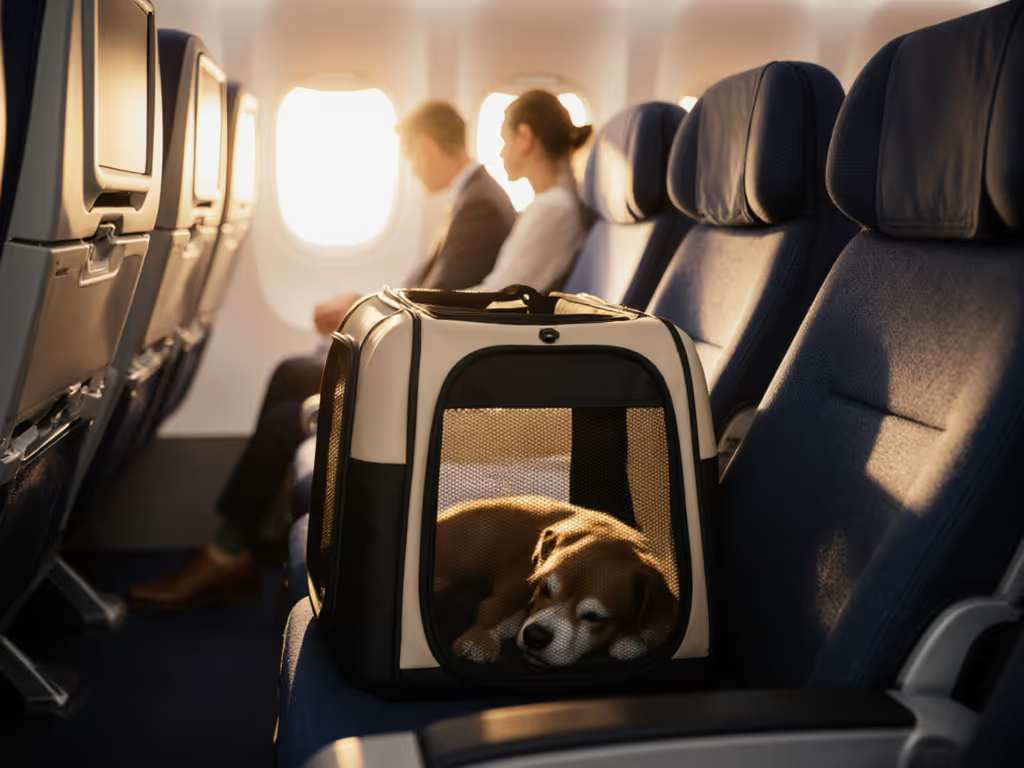
Conversely, a carrier that maintains a neutral thermal zone allows your pet's nervous system to downregulate. Calm begins long before you zip the door. It begins the moment you select materials and features that let your pet breathe, regulate their own body heat, and settle.
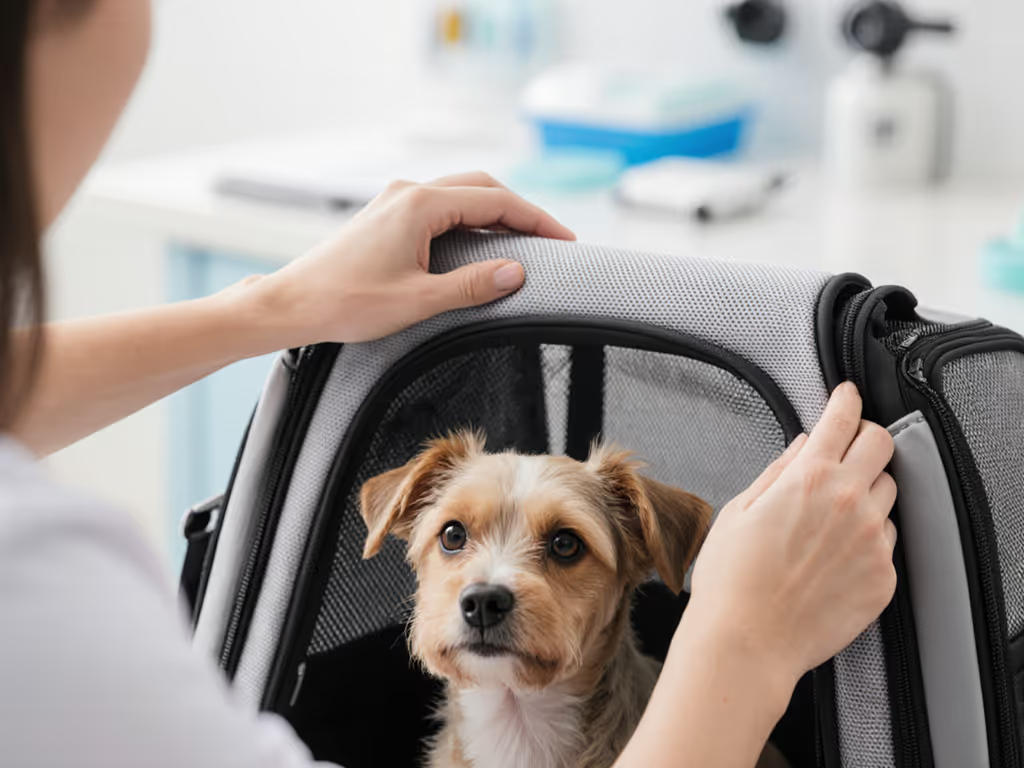
I once worked with a shepherd whose panic at the sight of her soft carrier was rooted partly in trapped heat and poor ventilation. We didn't "fix" her with force or desensitization alone. We started with the carrier's base detached, building micro-sessions around dinner, and added simple interventions: a breathable liner, strategic ventilation, and a privacy panel that reduced visual stimuli without blocking airflow. Within weeks, she walked in on cue and settled behind that privacy panel. The same carrier that triggered panic became her predictable den. The material choices made all the difference.
Not all carrier fabrics are created equal when it comes to temperature regulation. Breathable fabric science in pet carriers hinges on balancing three competing needs: containment, visibility (or privacy), and gas exchange.
Meshes with larger pore sizes allow superior airflow, which is essential for cats and dogs that pant or generate body heat quickly. Flat-faced breeds benefit from carriers with exceptional ventilation; see our brachycephalic carrier guide for safer picks. However, overly large mesh can enable escape attempts and create visual overstimulation from passersby, both of which raise arousal. The goal is a tight-weave breathable fabric that permits air circulation while limiting sight lines.
Fabrics with a moisture-wicking quality help prevent condensation buildup on interior walls. When water vapor accumulates inside a poorly ventilated carrier, it creates a clammy, suffocating microclimate that triggers panic and discomfort. Breathable liners and outer shells work together: the outer fabric should allow air to enter and exit, while the inner liner should pull moisture away from your pet's coat.
| Material | Thermal Regulation | Breathability | Structural Integrity | Maintenance | Best Use |
|---|---|---|---|---|---|
| Mesh nylon (modern) | Good | Excellent | Moderate | Easy | Air travel, short trips, mild climates |
| Canvas-blend fabric | Moderate | Very good | Good | Moderate | Mixed-mode travel (car + foot) |
| Padded neoprene | Poor | Fair | Good | Difficult | Not recommended for long trips |
| Vented hard-sided plastic | Moderate | Fair | Excellent | Very easy | Airline compliance, structured transport |
Insulation properties in pet carriers work differently from commercial thermal packaging (where the goal is to block external temperature changes). In a pet carrier, you want insulation that is selective: it should buffer extreme external temperatures while remaining permeable to the pet's own heat dissipation.
A carrier with poor insulation in a hot car becomes an oven within minutes. A thin-walled plastic carrier left in direct sun can exceed dangerous internal temperatures before you realize it. Conversely, a carrier with too much insulation traps your pet's metabolic heat and moisture, creating the same suffocating effect.
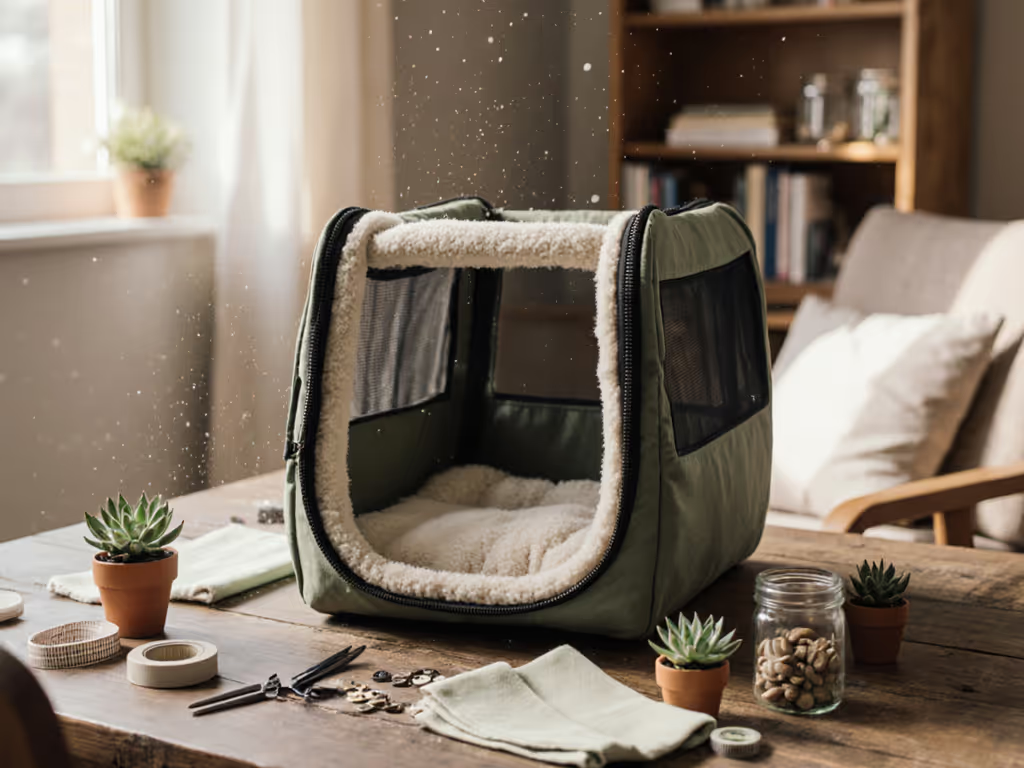
The ideal approach combines moderate insulation in the walls with active ventilation features: side and top vents that can be opened or closed based on season and duration. Some carriers include removable thermal liners for flexibility, adding insulation in winter and removing it in warm months. For season-by-season picks and setup tips, use our seasonal carrier guide. This graduated approach aligns with your pet's actual thermal needs, which change with season, climate, and trip duration.
Carrier heat management involves both static design choices and dynamic adjustments. Static features (like the number and size of air vents, the thickness of sidewalls, and the reflectivity of exterior color) set the thermal baseline.
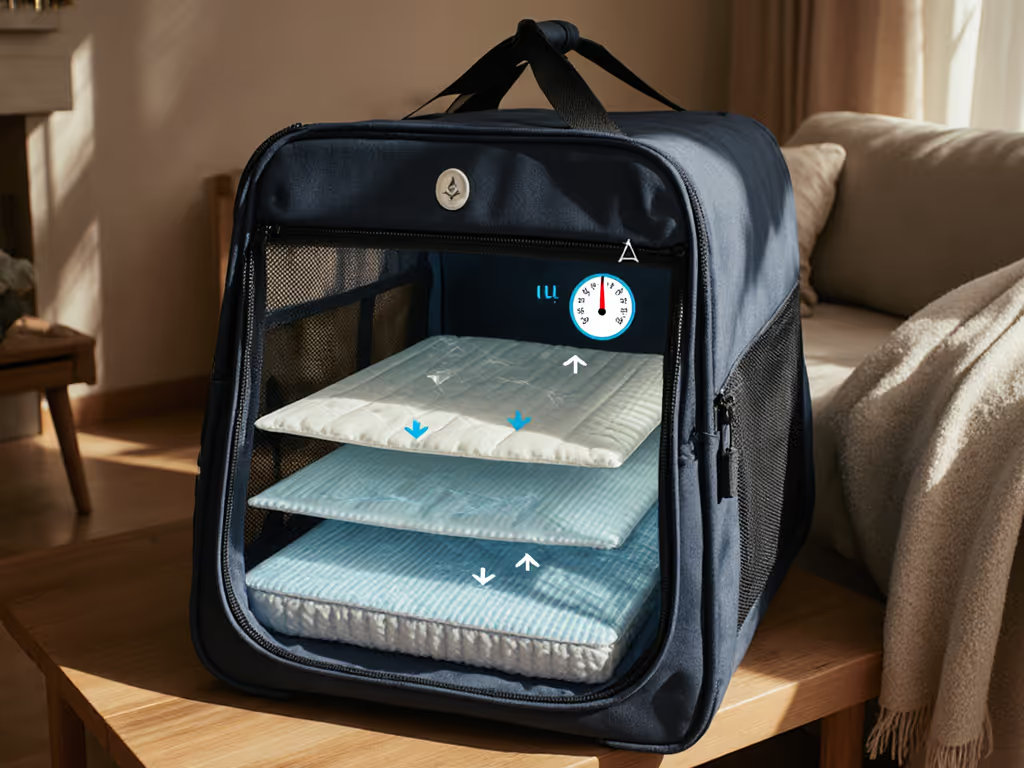
Dynamic features give you control once you understand your pet's specific thermal profile. Privacy panels, for instance, reduce solar heat gain by shading the interior while maintaining airflow. Removable, moisture-wicking liners let you swap out damp bedding quickly. Cooling gel pads, used correctly, provide localized temperature relief without chilling the entire carrier environment. Explore pads, privacy panels, and airflow add-ons in our pet carrier accessories guide. (These pads should never be frozen solid; instead, they offer a mild cooling effect when used as designed, letting your pet move away if they become too cold.)
The most effective heat management strategy is layered: combine a carrier design with inherent breathability, add environmental controls (shade, air conditioning in cars, avoiding peak-heat transport windows), and offer your pet escape routes from extreme microclimates, such as the ability to move from a sunlit area to a shaded corner within the carrier.
Thermal conductivity in pet carriers is often misunderstood. Manufacturers sometimes emphasize thermal resistance (how well a material blocks heat transfer), but what matters most is your pet's ability to shed their own heat into the carrier environment, and from there to the outside air.
A carrier with extremely high thermal resistance (like a heavily insulated hard-sided box) may feel like it protects your pet, but if your pet can't easily dissipate body heat, it becomes a pressure cooker. The best carriers have moderate thermal conductivity: they buffer slow, steady temperature changes (like a cool morning warming into afternoon) while allowing rapid convection and evaporative cooling when your pet needs it.
This is why ventilation placement matters more than wall thickness. A thin-walled carrier with well-positioned vents will regulate temperature more effectively than a thick-walled carrier with poor airflow.
When selecting a carrier, think in terms of graduated exposure and material layering:
Every carrier material and design feature tells a story about your relationship with your pet. Selecting a carrier that thoughtfully manages temperature (rather than simply containing your pet in a thermally hostile box) communicates respect. It signals that calm is built into the system from day one, not something your pet must struggle to achieve.
The materials you choose are the first step in a longer journey of helping your pet see the carrier not as a threat, but as a den, a place where the world makes sense because the basics of comfort are already taken care of.
Start this week by taking your pet's precise measurements (length from nose to tail base, height at shoulders, chest girth) and researching carriers that exceed these dimensions by at least 20 percent. Then identify your primary travel mode (air, car, or foot) and prioritize breathable, thermally moderate designs for that mode. Request sample photos or videos from retailers showing interior ventilation, and ask questions about how the specific material handles humidity and heat. This measurement-first, feature-second approach eliminates costly trial-and-error and puts your pet's comfort at the center of the decision before you ever make a purchase.