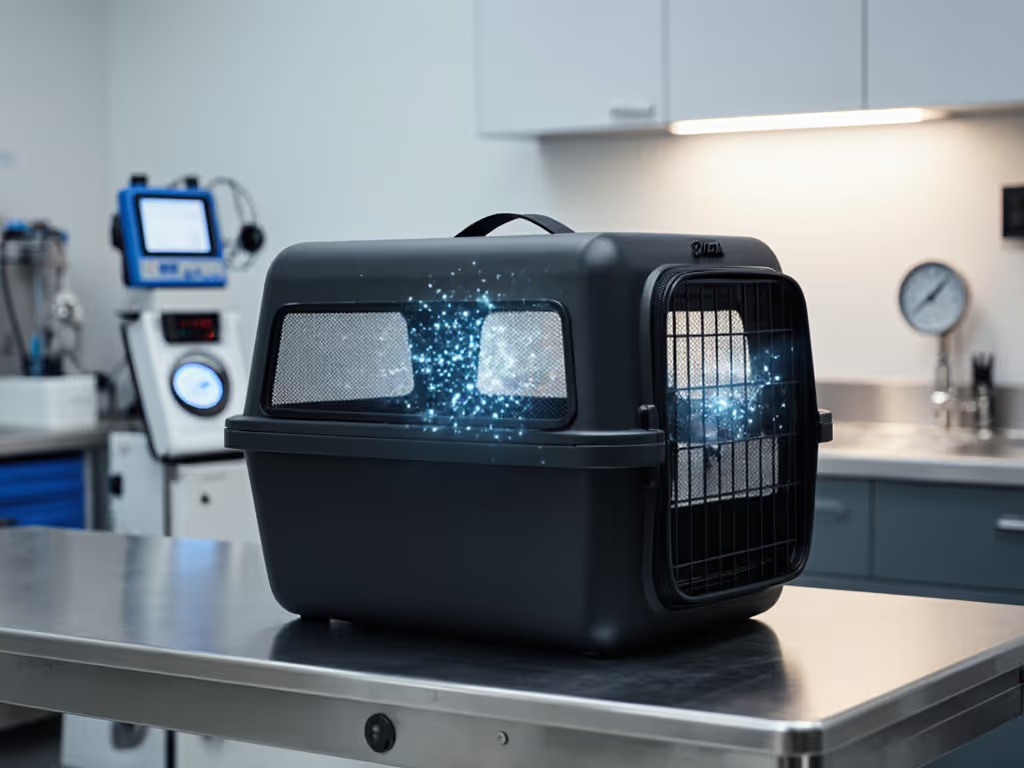
Pet Carrier Ventilation Science: Testing Guide
27th Mar•9 min read
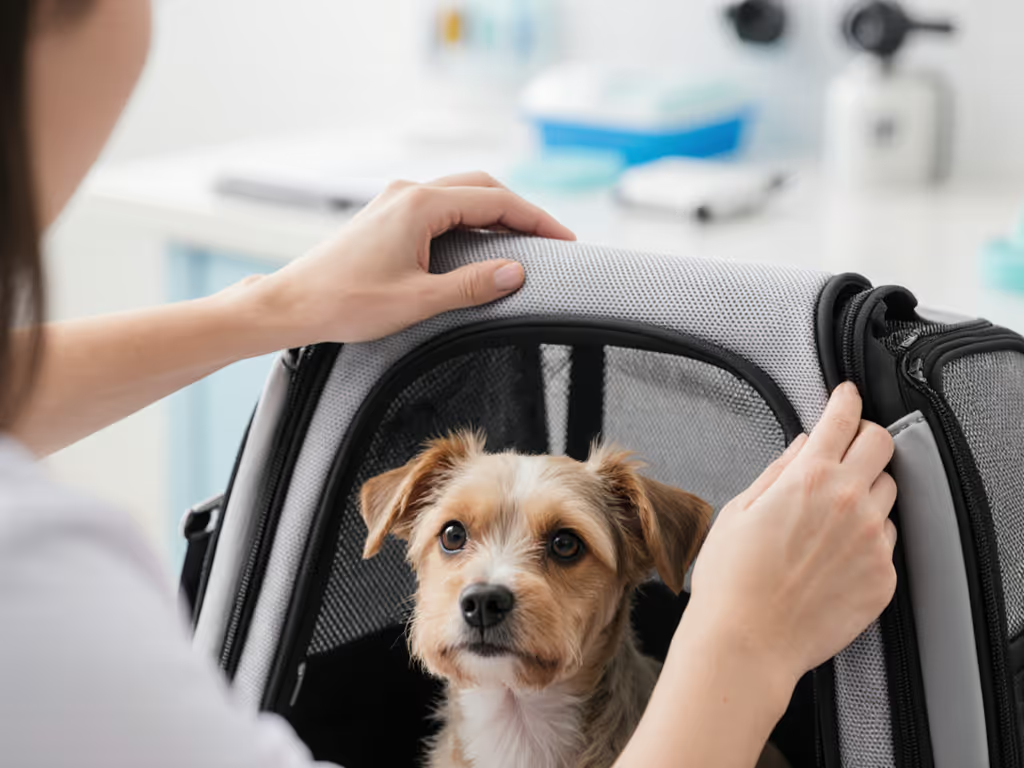
Choosing a pet carrier based on pet carrier microbiome science and skin-friendly carrier materials isn't just about comfort (it's about protecting your companion's health during transit and beyond). The fabric you select, how it manages moisture, and whether it supports proper ventilation directly influence the microbial environment your pet sits in for hours, while also affecting skin integrity and immune response.
Your pet's gut microbiota is shaped by diet, lifestyle, and environment, but the immediate environment of a carrier matters too. To understand how fabric composition and coatings affect airflow and hygiene, see our pet carrier material science explainer. When fabric traps moisture, heat, and bacterial buildup without adequate airflow, you create conditions that amplify microbial density and shift the balance toward less desirable organisms[3]. This isn't a direct microbiome transfer in the way exposure to outdoor soil or other pets is; rather, it's about whether the microenvironment supports stress-induced dysbiosis (an unhealthy microbial imbalance that correlates with digestive upset, immune suppression, and skin inflammation[4]).
Research indicates that pets living in controlled, hygienic environments (like homes with consistent diets) still show significant variation in their gut microbiota based on small differences in their living conditions[3]. A carrier that becomes a petri dish of heat and trapped sweat accelerates bacterial fermentation and promotes the growth of opportunistic microbes. Conversely, materials that breathe, dry quickly, and resist moisture pooling maintain a more neutral microbial environment (crucial during multi-hour trips where your pet can't groom itself properly).
Pets traveling with owners are exposed to new microbial landscapes: airport terminals, vehicle cabins, hotel rooms, and other transit hubs[6]. A well-ventilated, quickly drying carrier reduces secondary microbial shock (the inflammatory response your pet's immune system mounts when suddenly exposed to dense, unfamiliar bacterial loads in a confined space).
Your pet's skin has its own microbiome, and it's exquisitely sensitive to moisture, pH, and material friction. Synthetic fabrics that don't breathe trap sweat and sebum, creating an anaerobic environment where yeast and bacteria thrive[4]. After a two-hour car ride or a cross-town commute in a moisture-wicking backpack carrier, your pet's skin deserves a chance to dry and rebalance. If the carrier fabric remains damp or lined with non-removable, absorbent bedding, you've created a hot-spot factory (localized inflammation that opens the door to secondary infection).
Breathable synthetics and blends rank first. Look for carriers using ripstop nylon, mesh panels that extend beyond the bottom inch, and ventilation ports specifically designed to maximize airflow without compromising security. These materials dry within hours of moisture exposure, resist mold and mildew, and don't absorb odor or bacterial byproducts the way canvas or fleece do. For climate-specific picks and airflow trade-offs, explore our seasonal ventilation and insulation guide.
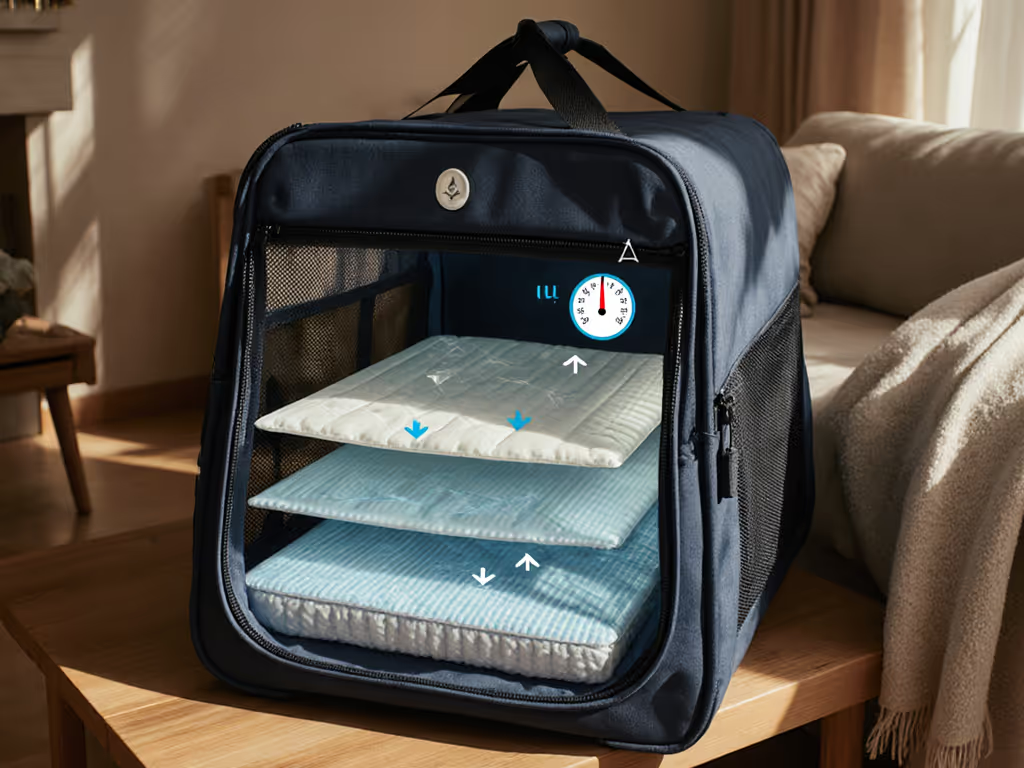
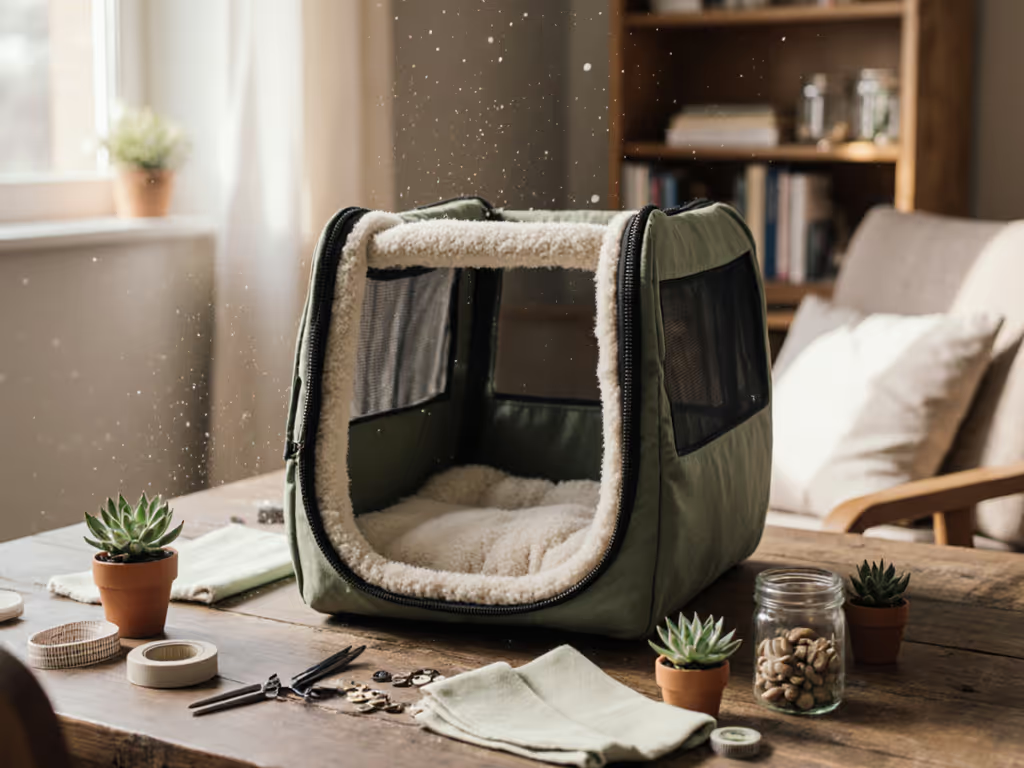
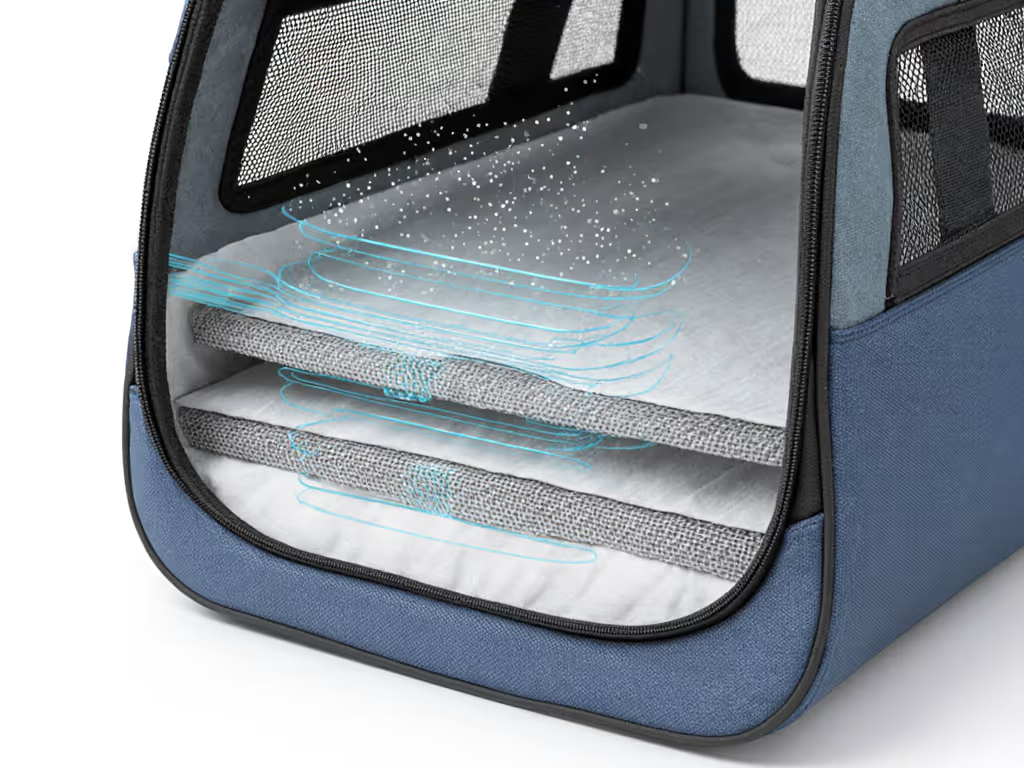
Removable, washable liners are non-negotiable for microbiome management. A removable liner that goes straight into the washing machine allows you to sanitize the interior after every transit, which is critical for preventing the accumulation of hair, dander, and bacteria-laden bedding. Machine-washable liners should be cycled weekly if your pet travels frequently, or immediately after any accident or illness.
Natural fibers (with caveats). Cotton-heavy carriers can work if they're treated with antimicrobial finishes and paired with non-absorbent underbedding. However, untreated cotton absorbs moisture, dries slowly, and becomes a microbial amplifier. If you prefer natural materials for aesthetic or allergy reasons, verify that the fabric has been processed for moisture resistance and that you can remove and wash the lining separately.
Avoid unlined plastics and impermeable bottoms. Hard-sided carriers without drainage or moisture-wicking liners create standing moisture zones (precisely what dysbiosis-prone pets don't need). If you choose a hard-sided carrier for air travel, ensure the bottom has a removable, absorbent pad that you replace and wash after every trip. Not sure which construction suits your trip? Start with our soft vs hard carriers comparison.
Here's where your comfort as the carrier intersects with your pet's internal health. For human-carry comfort and posture tips, see our ergonomic carrier designs guide. Poor load distribution doesn't just strain your shoulders and neck (it forces your pet into unnatural postures that compress the abdomen, restrict breathing, and amplify stress hormones that dysregulate the microbiota[3]).
I learned this the hard way. After a cross-town commute carrying a 16-pound cat in a shoulder tote, my hands tingled and my neck protested for days. But worse, the cat emerged anxiety-flushed, hyperventilating, and with loose stools the next morning (a classic stress-induced digestive flare). Switching to a structured backpack with load lifters and a hip belt changed everything. My pet sat upright, breathing naturally, belly relaxed. The microbiome-relevant lesson: ergonomics isn't luxury; it's the difference between dread and doable.
When a pet is hunched, compressed, or forced into a sphinx position for extended periods, the mechanical pressure on the abdomen disrupts normal peristalsis and microbial fermentation. Stress hormones (cortisol and adrenaline) suppress the growth of beneficial bacteria and promote inflammation-driving species[3][4]. A carrier that allows your pet to sit naturally upright or in a relaxed curl (not compressed) supports both postural comfort and metabolic stability.
Checklist for load and posture:
The most microbiome-friendly material is useless if you can't keep it clean. For step-by-step sanitation (including odor removal and stain protocols), use our carrier cleaning guide. Comfort is capacity you actually use for miles (and that includes the capacity to maintain a sanitized microenvironment between trips).
Weekly maintenance for frequent travelers:
Post-incident protocol:
If your pet has an accident, soils the carrier, or shows signs of illness during transit, wash the carrier that day. Don't wait until the next scheduled trip. Every day a contaminated carrier sits is another day for bacterial overgrowth and odor-producing fermentation to compound.
| Mode | Best Material | Why | Skin/Microbiome Advantage |
|---|---|---|---|
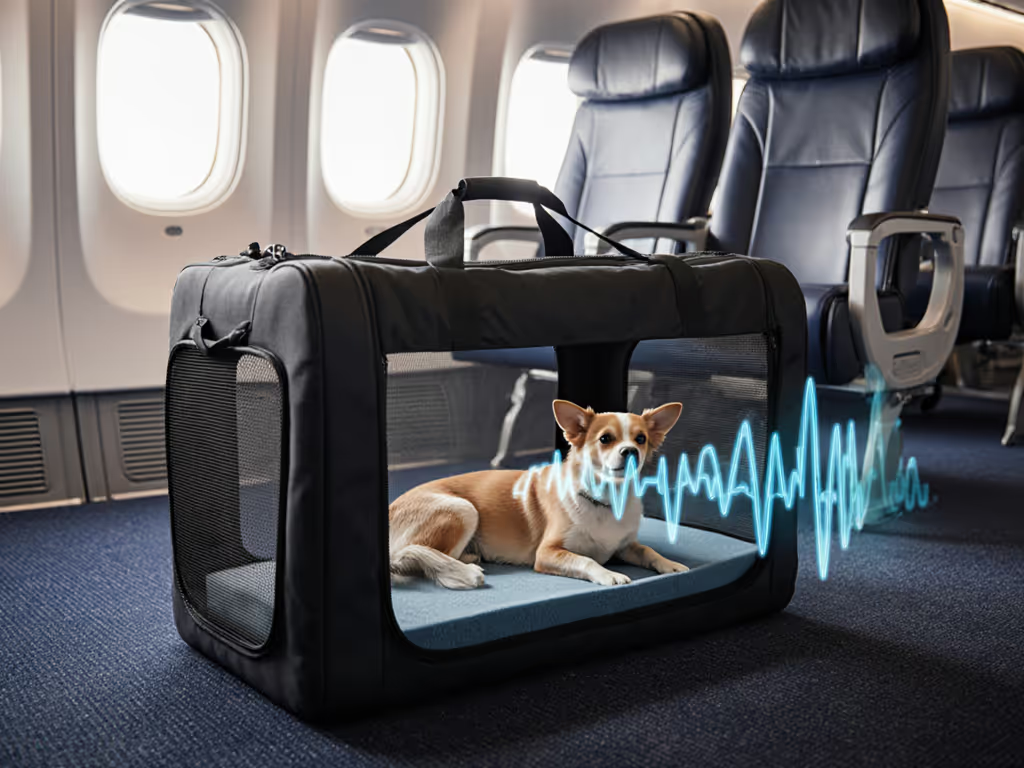
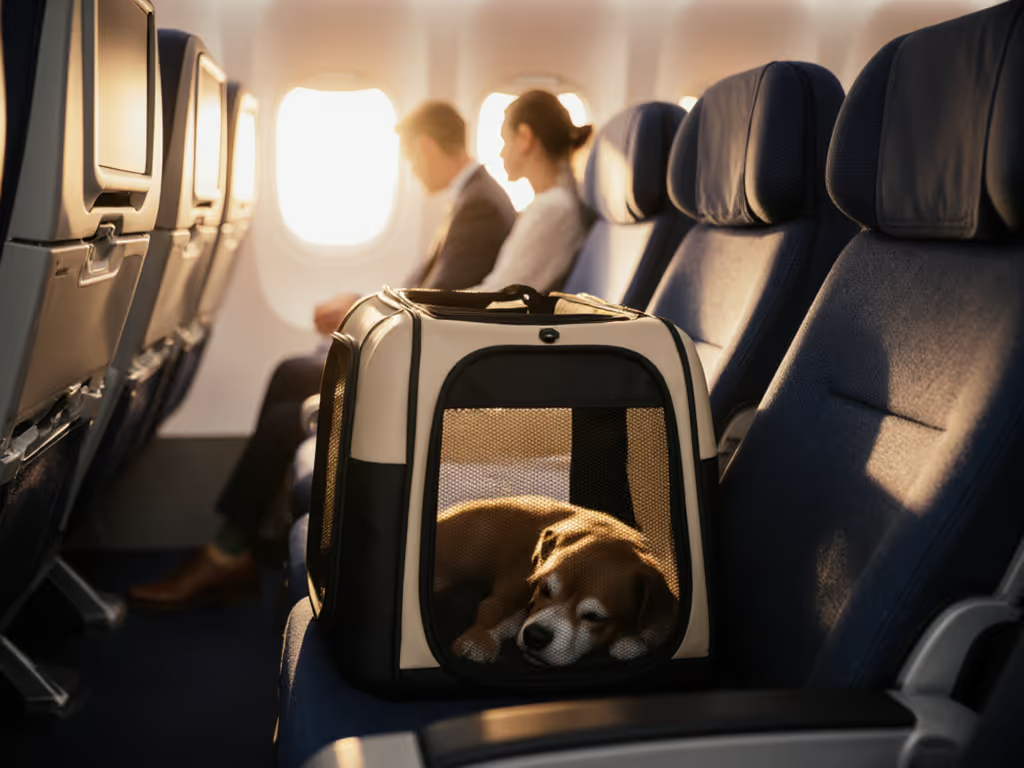
| Air travel | Ripstop nylon or mesh-sided hard-frame | Durable, cleanable, meets airline regs | Ventilation reduces overheating; quick-drying |
| Car travel | Breathable nylon with padded, removable liner | Absorbs minor moisture; washable | Low mildew risk; supports posture via structure |
| Walking/transit | Backpack-style ripstop with mesh panels | Lightweight; breathable | Airflow prevents stress-related microbiota dysregulation |
| Home/recovery | Cotton-canvas with washable removable pad | Aesthetically flexible; cozy | Paired with frequent washing, acceptable for short stays |
The best pet carrier material prioritizes breathability, cleanability, and structural integrity: the foundation of both skin and microbiome health. Ripstop synthetics with removable, machine-washable liners outperform absorptive natural fibers when it comes to preventing the heat-and-moisture traps that trigger dysbiosis and skin irritation.
But material alone isn't enough. Pair your carrier choice with proper fit, load-balanced posture support for yourself, and a realistic cleaning schedule. Your pet's gut microbiota responds to stress, and a carrier that's cramped, hot, or poorly positioned creates exactly the kind of stress that disrupts the microbial balance and weakens immune and digestive resilience.
If you travel frequently, invest in a carrier with a removable liner (the washability alone justifies the cost). If your pet is prone to anxiety or motion sickness, prioritize ventilation and posture-supporting structure over aesthetic minimalism. Test the stairs, not just the street. And remember: comfort is capacity you actually use for miles. The ergonomic comfort you gain translates directly into your pet's physiological stability, microbiome resilience, and skin health.