PetSafe Happy Ride Review: Tested for Car Safety
6th May•15 min read
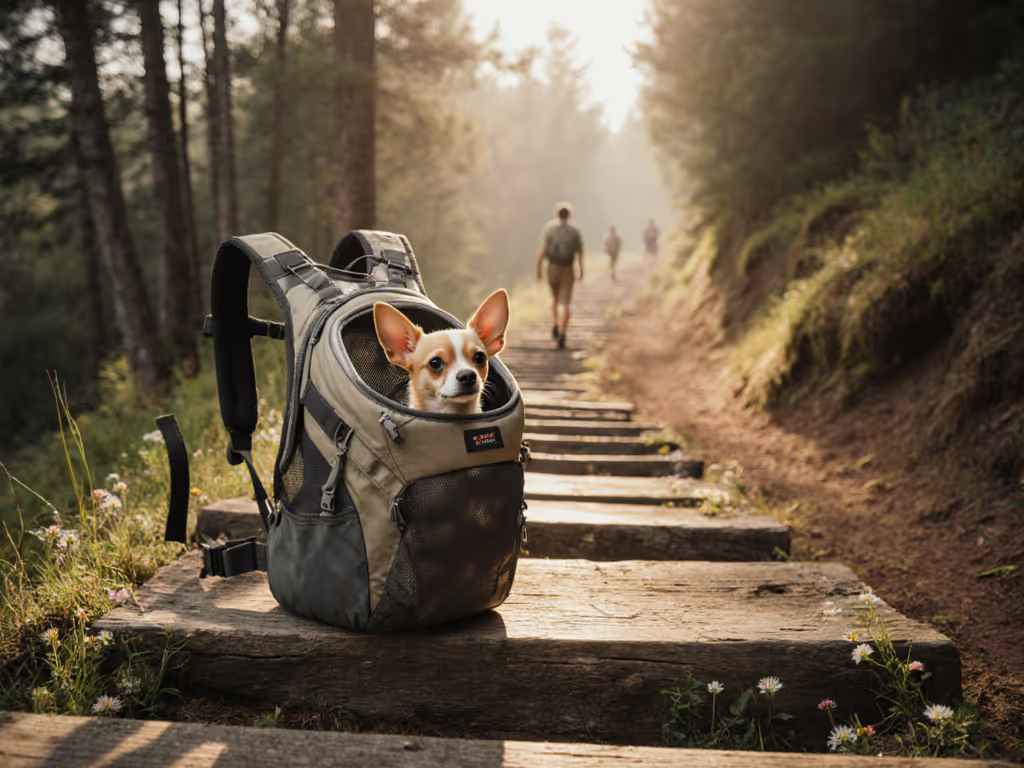
The K9 Sport Sack XS isn't just another pet dog carrier bag, it's a gateway to stress-free adventures when matched with your pet's unique temperament. As someone who's witnessed formerly panic-stricken dogs transform into confident trail companions, I can tell you the difference between a carrier that triggers anxiety and one that becomes a sanctuary often comes down to acclimation timing, sensory management, and thoughtful gear choices. Calm begins long before you zip the door, which is why this isn't just a product review, but a step-by-step journey toward creating positive associations. Whether you're navigating busy airports, hiking trails, or simply taking public transit, the right approach turns your K9 Sport Sack XS from a potential stressor into a reliable adventure partner. For activity-specific tips on trail use, compare our dog hiking carrier backpacks guide.
Most pet parents focus solely on dimensions when selecting a carrier, but the real game-changer is how your dog feels inside it. A carrier shouldn't just contain (it should actively lower arousal). When I helped a fearful shepherd mix who would pancake at the sight of carriers, we started by removing the base entirely and building positive micro-moments around dinner time. Within weeks, she walked into the same carrier on cue and settled behind a privacy panel we added. This transformation wasn't magic (it was strategic desensitization).
The K9 Sport Sack XS stands out in the crowded market of pet travel carriers because it balances three critical elements that match my coaching philosophy:
Rather than forcing your pet into compliance, this approach builds genuine comfort through graduated exposure.
Before purchasing any active dog carrier, measure your pet properly (not according to generic charts, but considering their natural posture). Many "XS" carriers fail because they're sized for weight but not proportions. For the K9 Sport Sack XS (which accommodates pets up to 15 pounds), follow these pet-first measurement steps:
Your pet needs 2-3 inches of clearance on all sides when sitting naturally, not cramped "just enough" space. If your pet prefers to curl, account for that. If they're long-bodied like a dachshund, ensure the base length accommodates their spine.
The K9 Sport Sack XS interior measures 14"L x 8"W x 10"H. This works well for:
Where many pet parents go wrong is forcing larger breeds into XS models "to save space." If your pet's measurements exceed 12"L or 9"W, move up to the Small size (cramped conditions spike anxiety and defeat the entire purpose of your pet travel carrier).
The K9 Sport Sack XS features Outlast® temperature-regulating fabric and 360-degree mesh ventilation (critical for active adventures). But don't assume it's ready to use out of the box: For step-by-step sanitation between outings, see our carrier cleaning guide.
The detachable storage bag isn't just for your keys (it's a tool for reducing your pet's sensory load). Position items thoughtfully:
This strategic organization turns your pet dog carrier bag into a predictable environment rather than a chaotic space.
Calm begins long before you zip the door. Your first goal isn't entry, it's creating positive associations with the carrier's presence. For a deeper walkthrough, follow our carrier introduction guide.
Milestone: Your pet should voluntarily approach within 12 inches of the carrier by Day 7.
Now that your pet associates the K9 Sport Sack XS with positive experiences, we integrate movement:
Key tweak: For high-energy dogs, I recommend practicing these steps with the optional privacy panel partially covering the front mesh. This creates a "den" effect that lowers arousal.
The final phase integrates real-world elements:
Critical tip: Always end sessions while your pet is still calm (not waiting for them to become distressed). This builds positive anticipation for the next session.
This almost always indicates you advanced too quickly in the acclimation timeline. Rather than adding more restraints:
The K9 Sport Sack XS features adjustable chest straps that slide to different placements (a feature many miss!). If shoulder pressure persists, compare ergonomic carrier designs for pain-free trips. To maximize comfort:
While the mesh provides excellent ventilation, active dogs still need climate management:
The true value of the K9 Sport Sack XS isn't just its physical features (it's how it integrates with your pet's nervous system). Unlike rigid carriers that create visual barriers and increase anxiety, this soft-sided design allows curious pets to see their environment while remaining protected. The full-length zipper doesn't just make entry easier (it reduces the "trapped" feeling that triggers escape attempts).
Where most active dog carrier evaluations stop at dimensions and durability, I focus on how the experience feels to your pet. The K9 Sport Sack XS became my go-to recommendation after seeing anxious pets settle within this carrier when previous hard-sided options caused distress. It's not the carrier itself that calms (it's the thoughtful acclimation process that builds genuine comfort).
Today: Measure your pet using the four-point method detailed in Step 1, then compare to the K9 Sport Sack XS dimensions. If they fit, place your carrier in their favorite resting area (unzipped and inviting) before bed tonight. Tomorrow morning, begin tossing high-value treats near (not inside) the carrier as part of your feeding routine.
The journey from carrier dread to adventure readiness takes patience, not perfection. Remember that every micro-moment of positive exposure builds toward your shared goal of stress-free exploration. When your dog walks into their carrier willingly (tail wagging, body relaxed). That's not luck. It's the result of gentle, intentional preparation that proves calm begins long before you zip the door.