PetSafe Happy Ride Review: Tested for Car Safety
6th May•15 min read
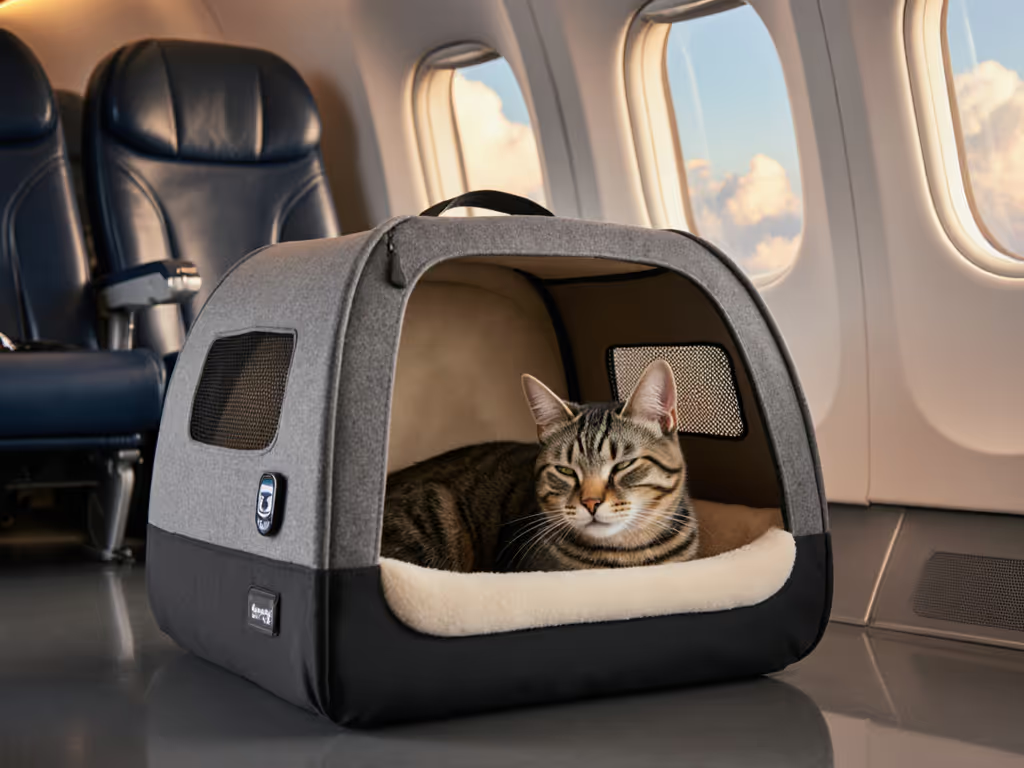
The Sleepypod Air carrier is a multi-mode travel solution designed for pets under 18 pounds who fly in aircraft cabins, travel by car, or need secure containment in stressful environments. Unlike carriers that rely on force and confinement, the Sleepypod Air addresses the core tension between airline compliance and your pet's emotional well-being, a distinction that shapes everything about how it functions and how you'll use it.
What separates this carrier from standard options isn't just crash-test certification or foldable dimensions. It is the underlying design philosophy: a carrier should lower arousal, not contain it by force. That principle changes how you'll introduce it, how your pet will experience it, and ultimately whether it becomes a refuge or a trigger.
The airline-approved pet carrier market is fractured by inconsistent enforcement, vague size rules, and gate-level surprise rejections. The Sleepypod Air cuts through that noise with documented, measurable compliance.
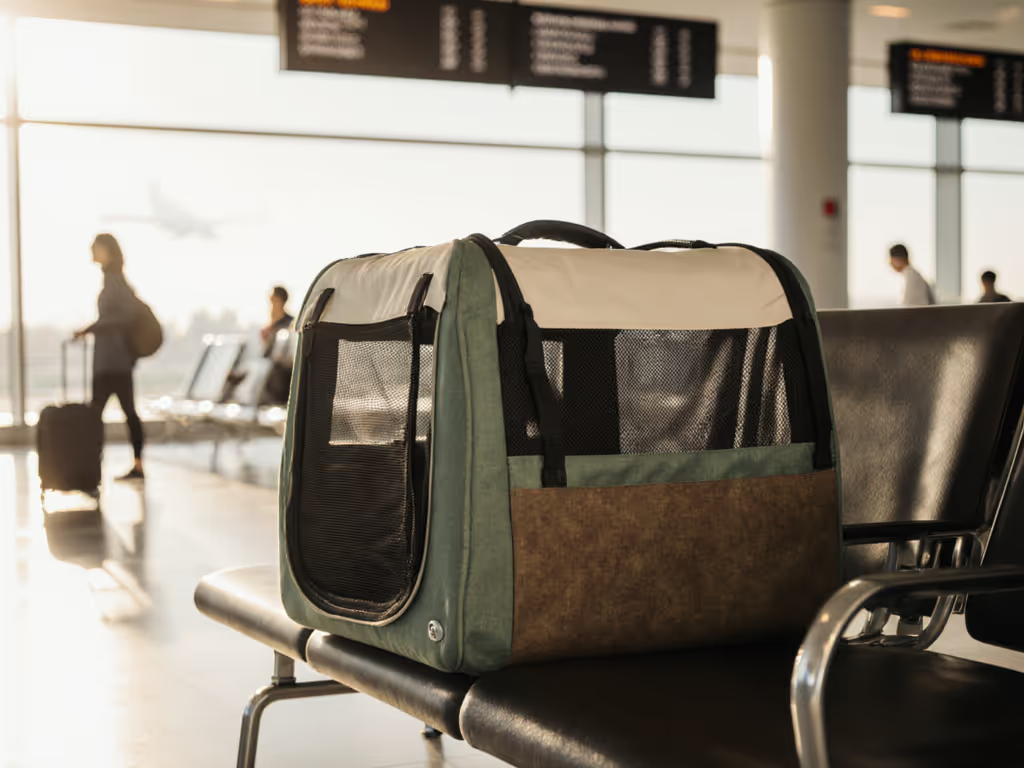
The carrier's exterior dimensions are 16 to 22 inches long, 10.5 inches wide, and 10.5 inches tall, and collapsible on both ends to compress down to 16 inches in length. That flexibility matters because most airlines publish width and height hard-limits but allow compression if the carrier can physically fit under a seat. The Sleepypod Air's innovative design lets you contract the side walls inward, reducing the footprint without removing your pet.
It is independently crash-tested and certified by the Center for Pet Safety for pets up to 18 pounds, holding a top safety rating. For dogs and cats traveling by car, this matters because rigorous dynamic crash testing reflects standards for child safety restraints, and includes PPRS technology to prevent ejection during collisions.
The carrier meets TSA requirements for cabin travel, eliminating one major source of travel anxiety. That said, airline rules do vary by aircraft type and operator, so comparing this carrier's official dimensions to your specific airline's under-seat measurements is still the non-negotiable first step. For current size charts across major airlines and what documentation to bring, see our airline-approved pet carrier regulations guide.
Where most carriers solve confinement through opacity or darkness, the Sleepypod Air offers a removable, adjustable privacy panel, a subtle but critical distinction.
I worked with a shepherd years ago who panicked at the sight of her soft carrier. The mesh, the openness, the suggestion of being confined, it all triggered a fight response. We started not with the full carrier, but with its base detached, building micro-sessions around dinner, where the routine felt safe. Within weeks, she walked in on cue and settled behind a privacy panel. The same carrier that once triggered panic became her predictable den. That wasn't because I forced her inside. It was because we built the carrier into her sensory world gradually, on her terms.
The Sleepypod Air's adjustable privacy panel works this way: it blocks visual stressors (other pets, busy airport crowds, vet clinic activity) while maintaining airflow, so your pet isn't thermally stressed or gasping for air. The panel is removable, meaning you can start acclimation without it, allowing your pet to see you and the environment, then introduce privacy once they're settled. For detailed acclimation steps and troubleshooting, follow our introduce your pet to a carrier guide.
Breathable mesh lines all four sides, accommodating international air travel requirements and preventing the overheating risk of fully enclosed carriers. For pets prone to motion sickness or heat sensitivity (common travel triggers), this ventilation is foundational to staying calm.
The Sleepypod Air transforms into three distinct configurations: a home napping bed, a car seat, and an in-cabin carrier. That versatility sounds convenient on paper, but it has a deeper purpose for temperament-matched acclimation.
Before ever attempting air travel, your pet can spend weeks sleeping in the Sleepypod Air as a familiar bed at home. The removable, ultra-plush bedding creates a scent-soaked refuge, the same sensory anchor they'll recognize when you open the carrier at the airport or vet clinic. This graduated timeline means calm begins long before you zip the door. When your pet has already nested in this carrier during safe, unstressed moments, the carrier itself becomes a cue for rest, not panic.
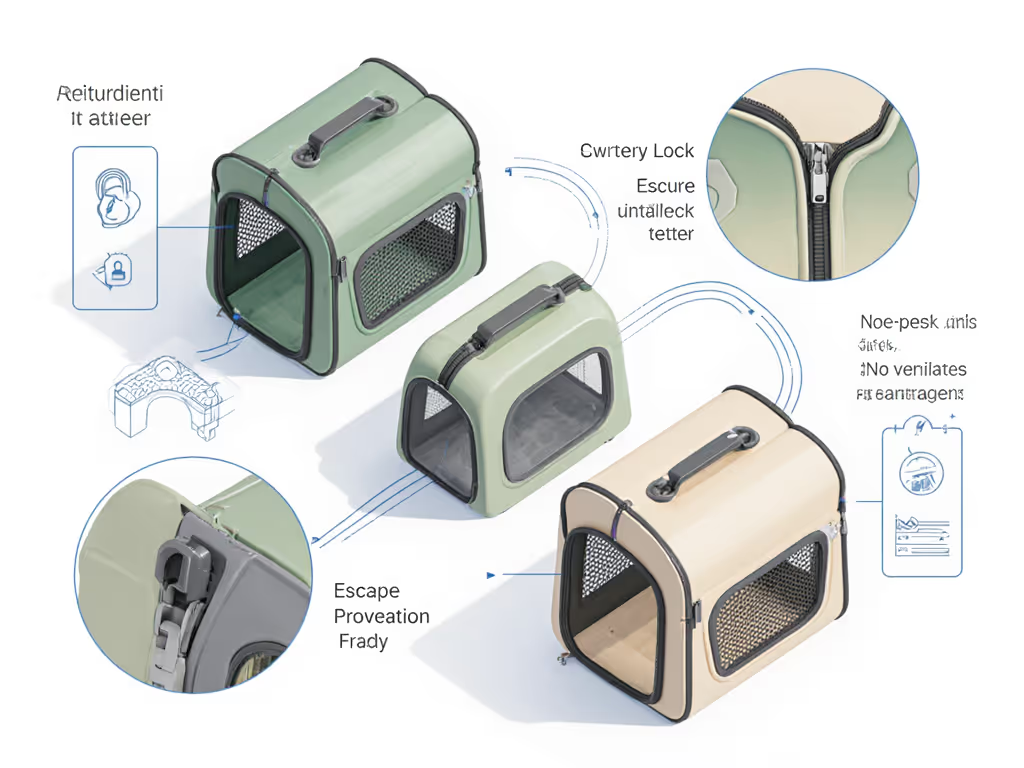
The durable, rip-stop mesh resists chewing and clawing, so escape artists can't create catastrophic failures mid-flight. Double-layer mesh is reinforced, and one reviewer noted the trade-off: darker mesh reduces visibility into the carrier, which can feel frustrating if you're a human who wants to check on your pet constantly, but it may also reduce visual triggers that escalate anxiety for sensitive animals.
The carrier features hook-and-loop closures (Velcro) that secure mesh panels for den-like privacy when stationary. These closures are quieter than snaps or hard locks, a small detail that matters if your pet is sound-sensitive or startles easily.
A removable safety tether eliminates quick escapes at high-stress locations such as the vet's office. This is a gentle directive: tether only when necessary (transition points, vet exams) and remove it during stable, low-arousal periods (car drives, flights). The goal isn't to restrain your pet for the entire journey, but to prevent panic-driven bolts at moments of peak vulnerability.
The carrier has ergonomic zipper pulls and self-locking zippers on some models, reducing the risk of mid-travel seam failures. Zippers are often where carriers fail: worn sliders, cheap metal that corrodes, or mechanism jams from pet panic. The Sleepypod Air's luggage-grade hardware reflects the expectation that this carrier will endure hundreds of airport trips and car rides, not a handful.
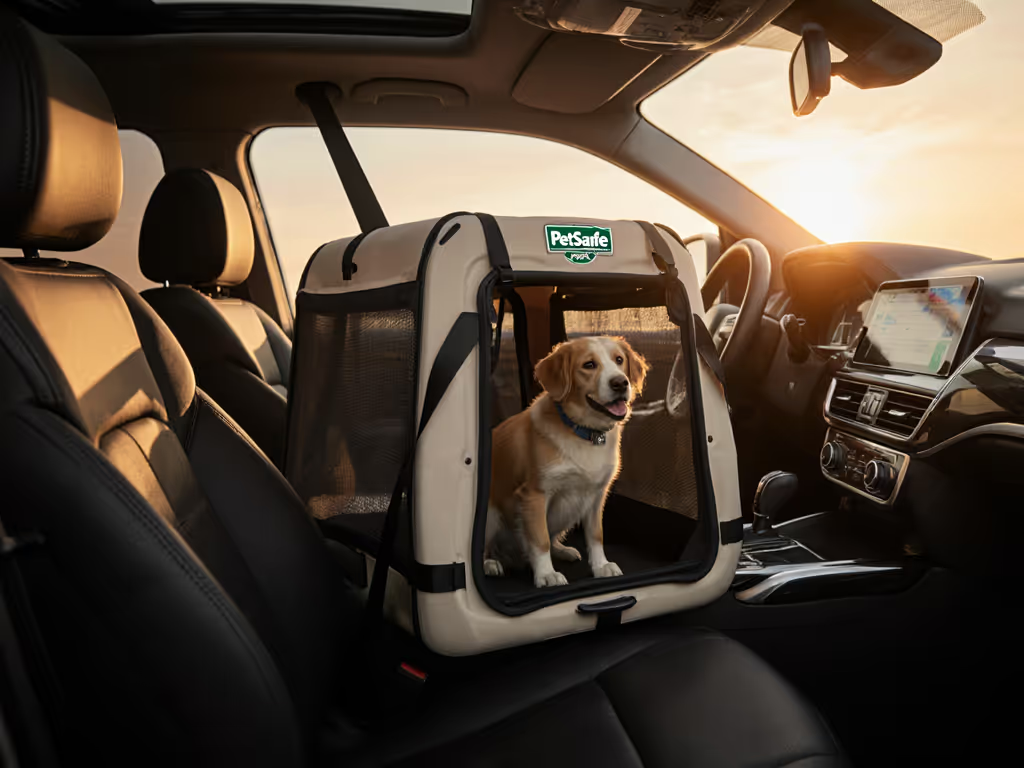
The Sleepypod Air doubles as a crash-tested car seat with seatbelt straps that secure it directly to your vehicle's seating system. The stiff, reinforced bottom prevents sagging when the carrier is placed on a seat or secured by a lap belt, keeping your pet in a stable, predictable position rather than sliding or shifting with sharp turns.
For pets prone to motion sickness, this stability is calming because they're not jostled or disoriented by lateral forces. For secure restraint setups and pre-drive prep, review our car crash-tested pet carrier safety checklist. The water-repellent interior liner protects the bedding if your pet has an accident, and the removable plush liner is machine-washable, so clean-up doesn't require shampooing the entire carrier.
The trolley pocket securely fastens the carrier onto a rolling luggage handle, keeping your hands free and your shoulder or back spared the strain of carrying a 4-pound carrier (plus pet) through crowded terminals. One reviewer tested this with a spinner suitcase and found it stable and reliable; if you have a traditional tilting suitcase, you may need to keep the bag upright, which can complicate navigation in tight corridors.
The padded shoulder strap and top handle provide alternatives if you're not using luggage. For urban walkers or those using rideshare, hands-free options matter, you'll have a hand free for your phone, ticket, or your pet's leash.
Top and side entry access means you can load your pet from multiple angles depending on their size, mobility, or anxiety level. A cat who panics if lifted from above may cooperate if you open the side zipper and let them walk in at ground level. This flexibility is a quiet but crucial concession to pet temperament.
The large zipper pockets on two sides hold essentials: vaccination paperwork, grooming wipes, collar tags, medication, collapsible bowls. Keeping these items in the carrier itself means you're less likely to leave them behind, and your pet's routine items stay with them, maintaining familiar scents and reducing sensory jarring during transitions.
The removable, machine-washable ultra-plush bedding is soft and inviting but also practical. Pet parents can launder it between trips, so odor and bacteria don't accumulate. For multi-month or frequent-travel lifestyles, this is a quality-of-life feature that affects both your pet's and your own stress levels.
A pocket below the bedding is designed to hold an optional electrical warmer pad for cooler environments or climates. This graduated approach to temperature control (warmer pad only when needed, removable rather than permanent) respects that overheating is a common travel stressor, especially for brachycephalic (snub-nosed) breeds prone to breathing difficulty. You can activate thermal support on winter flights or car rides without trapping heat during summer or in warm climates.
The double-layer black mesh is a trade-off. One reviewer appreciated the carrier's durability but found it difficult to see inside without opening it, eliminating the ability to check on a sleeping or anxious pet mid-journey without disturbing them. For anxious humans (which is most of us), this can feel frustrating. However, for pets who are spooked by constant observation or whose anxiety escalates when they sense your worry, the privacy is actually calming. Reframing it: you're trusting the carrier and your preparation rather than visually monitoring every minute.
The interior dimensions are 15 to 21 inches long, 9.5 inches wide, and 9.5 inches tall. A dachshund or corgi with a long back may feel constrained at full height but can curl or sphinx-pose comfortably. For breed-specific fit tips, see our long-bodied dog carrier guide. A tall cat or Chihuahua who sits upright might find the 9.5-inch height snug. Measuring your pet in their natural traveling posture (curled, sphinx, seated) rather than standing height is essential before purchasing.
The 18-pound weight capacity covers most small-to-medium cats and dogs, but not larger breeds or multi-pet scenarios.
The Sleepypod Air is a premium carrier with premium pricing reflected in materials, crash-testing certification, and design flexibility. This is not a budget option. The value proposition depends on whether you prioritize multi-mode functionality, airline peace-of-mind, and pet-temperament design, or whether a simpler, single-purpose carrier meets your needs.
If you choose the Sleepypod Air, your next step is not immediately booking a flight. Instead, plan a 4-week graduated exposure timeline before your trip:
Week 1: Home Introduction Place the carrier (unzipped or with door open) in your pet's usual resting space. Let them explore at their own pace. Feed meals near it, then beside it, then inside it with the door open. No pressure, no confinement. This is sensory familiarization, not containment practice.
Week 2: Micro-Sessions with Privacy Introduce the removable privacy panel during low-stress moments. Let your pet see it being attached and removed. Short 2-5 minute sessions where the door is closed but you're present, calm, and offering gentle praise or treats. Your nervous energy transmits to your pet, so practice staying still and quiet.
Week 3: Transition Simulation Take the carrier on short car rides (5-10 minutes) with your pet inside. No dramatic changes, just normal drives. If your pet is calm, gradually extend to 15-20 minutes. Car experience builds confidence for airport transport.
Week 4: Dress Rehearsal One final trip with the full setup: privacy panel, bedding, seatbelt secured. This is low-stakes validation that everything fits your specific pet and that you've both internalized the routine.
This timeline isn't rigid, some pets need longer, some progress faster. The goal is measurable calm at each stage, not rushing through just to "get it done."
Best for: Multi-mode travelers (frequent air, car, and urban walking); pets with motion sickness or anxiety (the privacy and stability help); perfectionist pet parents who prioritize safety documentation and compliance over budget; long-backed or sensitive dogs/cats who benefit from flexible shaping.
Less ideal for: Single-purpose car-only users (overkill for non-flyers); pets who panic in enclosed spaces and need maximum visibility; budget-conscious buyers willing to accept less crash-testing or single-mode use; multi-pet households (18-pound capacity and single-entry design limit sharing).
Consider alternatives if: Your pet is heavier than 18 pounds; you're primarily a ground-travel user (public transit, car, foot); you prefer hard-sided carriers for maximum durability and ease of decontamination after illness; your pet's temperament requires hard-shell isolation rather than semi-permeable privacy. If you're weighing construction types, see our soft vs hard pet carrier comparison.
The Sleepypod Air carrier review ultimately hinges on a single insight: the carrier itself is only as effective as the trust and familiarity you build into it beforehand. A premium, crash-tested, airline-approved carrier can't force calm. It can only enable it by removing friction, reducing sensory chaos, and providing a familiar, stable space.
Your choice of carrier is the hardware. Your gradual introduction of that carrier (the gentle directives, the micro-sessions, the respect for your pet's emotional pace) is the software that makes it work.
If you're a pet parent who prioritizes both compliance and compassion, willing to invest in a 4-week acclimation plan and a carrier designed for multi-mode flexibility, the Sleepypod Air aligns with that philosophy. It's a tool that trusts you to do the harder work of preparation, so your pet can arrive at boarding gates, vet clinics, and family vacations genuinely calm rather than merely contained.
Start with your pet's measurements today. Cross-reference them against your airline's specific under-seat dimensions. Then, set a calendar reminder for 4 weeks before your trip and begin week one (at home, unzipped, no pressure). Calm begins long before you zip the door.