Diabetic Pet Carriers: Durability and Temperature
10th May•8 min read
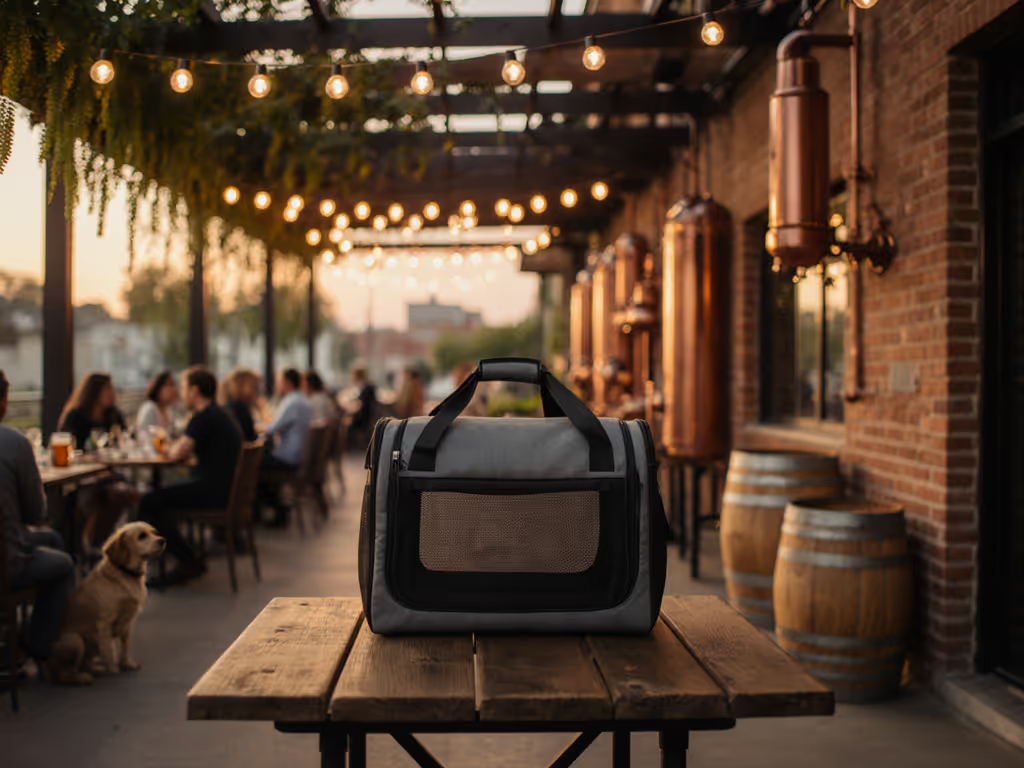
Brew days and tasting flights are more fun with a calm, contained pet. This brewery pet carrier comparison and guide to winery pet transport solutions is about choosing one low-drama, high-function carrier that fits your lifestyle, your pet's body, and the way these spaces actually work.
The goal isn't to show off the carrier. It's to have your pet settled under the table while you focus on the pour list and conversation.
Because these spots are designed around people, not paws:
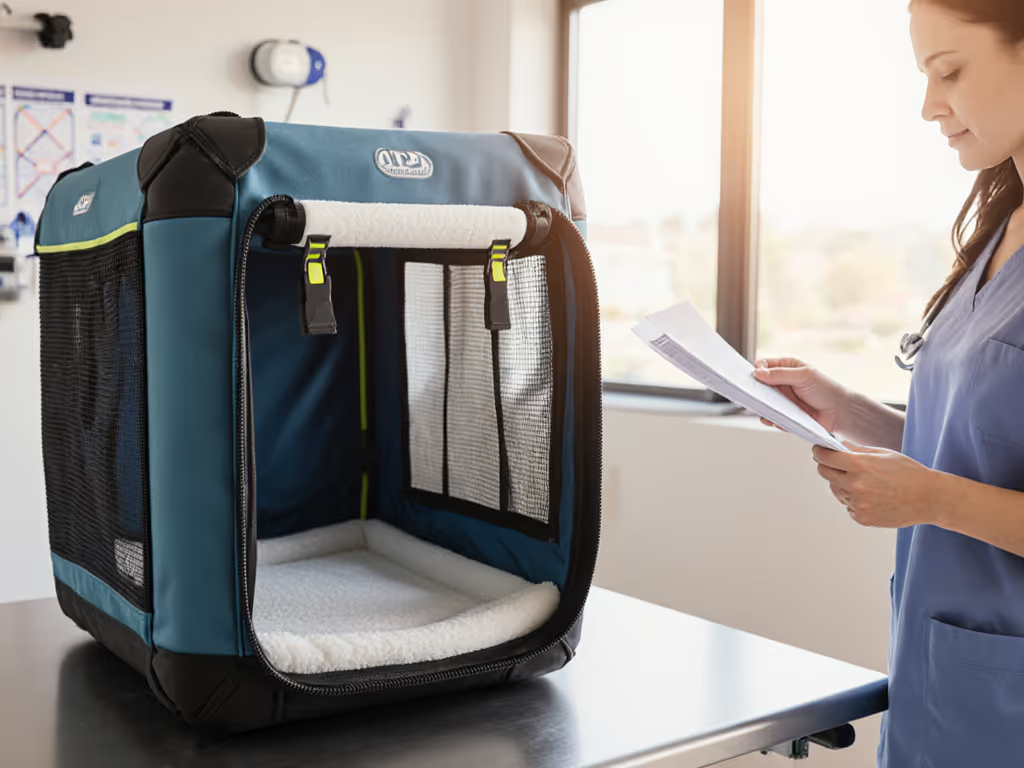
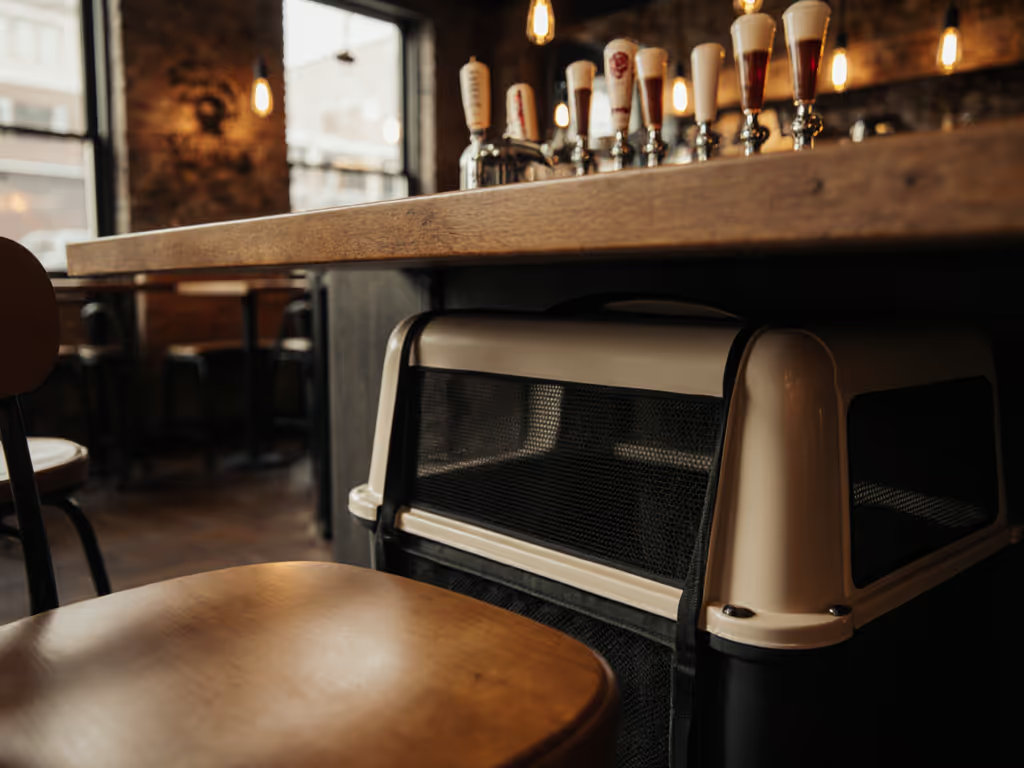
A well-sized travel pet carrier gives your pet a defined, protected zone. It acts like a portable den: predictable, draft-shielded, and off the server's path. When chosen well, it looks like restrained luggage under your chair instead of a bright sign that says "Look at my pet."
In busy tasting rooms, the best carrier is the one staff barely notice.
Think in terms of use case and terrain rather than branding:
Breweries
Wineries
In practice, a single pet-friendly establishment carrier can serve both if it checks four boxes: rule-checked dimensions for your pet, hands-free carry option, wipeable base, and discreet, neutral styling.
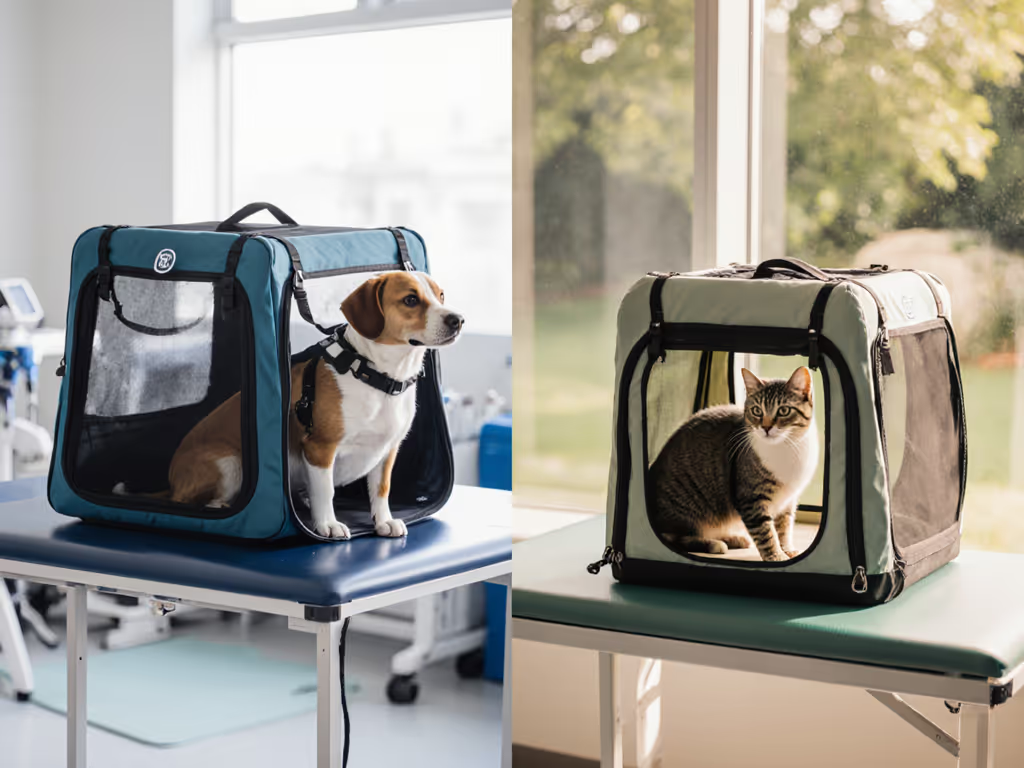
Think in silhouettes, not just weight. You're building a "capsule wardrobe" of carriers, starting with the one workhorse piece.
For a soft-sided pet travel pet carrier they will lie in for 1-3 hours at a time:
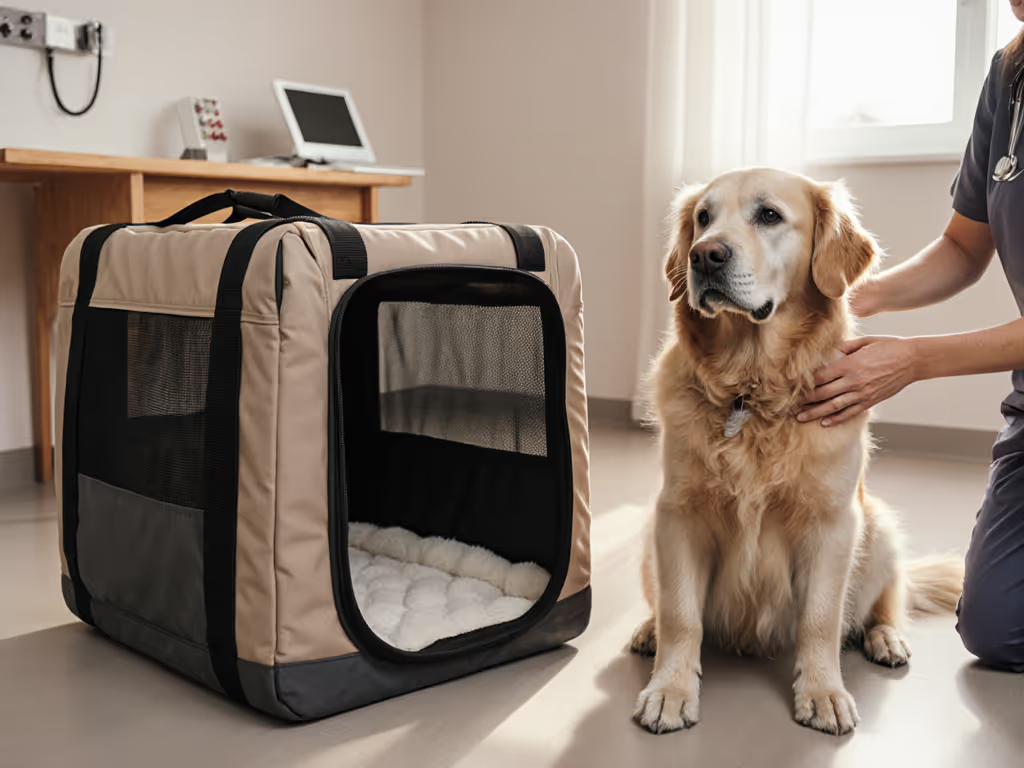
In other words, your carrier should be just big enough for a comfortable curl or sphinx pose, without so much extra room that they slide on turns or feel unstable when you lift.
Yes, if three conditions are met:
Fit is rule-checked, not guessed. Dogs up to ~20-22 lb with compact builds (Cavapoos, Frenchies, Shih Tzus) can be very content in the right footprint. Long-backed or leggy dogs (dachshunds, Italian Greyhounds) may need more floor space than their weight implies.
The base is rigid and level. A saggy bottom means their spine is curved uncomfortably. Look for a panel insert or built-in board that doesn't bow with weight.
You've trained the den behavior in advance. Brewery calm starts at home: feeding in the carrier, nap sessions with the door open, then closed, before you ever add the distraction of clinking glasses.
A rough benchmark: if your pet can sleep for 45-60 minutes at home in the closed carrier without vocalizing or scratching, they're ready for a short flight of beers or a tasting flight of Rieslings.
Ventilation comes first; privacy can be layered on.
Ventilation must-haves
Privacy add-ons
I won't trade ventilation for looks. If a carrier hides your pet so completely that air has to fight to get in, it doesn't belong in a warm, crowded room.
Aim for visual minimalism: pieces that read as contemporary luggage rather than "pet purse." Think of the neutral, well-cut coat you'd throw over almost any outfit.
Look for:
Bright neons, cartoon prints, and oversized "RESCUE DOG" slogans pull visual focus and can make staff hyper-aware that there's an animal in that bag. A quiet silhouette under your chair is more likely to be treated like any other personal item.
Blend in visually, stand out in quiet function.
I learned long ago that when your carrier's dimensions, materials, and hardware are all quietly correct, staff tend to wave you through and move on to the truly problematic situations.
If the defining feature is the joke, not the structure, skip it.
A "craft beer pet carrier" doesn't need themed graphics. What makes it brewery-ready are: a stable footprint on rough floors, enough ventilation for crowded interiors, and a silhouette that doesn't scream for attention every time you walk to the bar.
For on-foot and bike access, prioritize hands-free options:
Backpack carrier
Convertible tote/backpack
If you bike, ensure there's no loose dangling straps that can tangle, and never mount carriers loosely to handlebars; a low, securely attached rear rack plus a stable carrier is safer. For top picks that balance storage, ventilation, and city-friendly ergonomics, see our urban backpack carrier comparison.
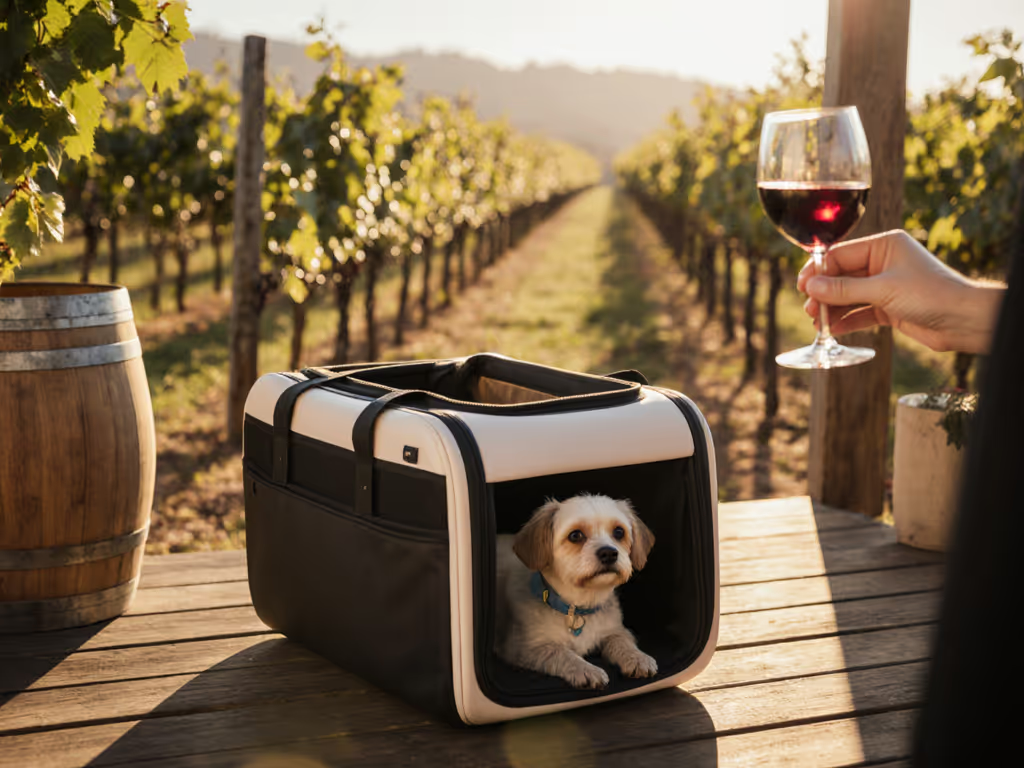
Here, you want winery pet transport solutions that behave well both on the road and on the lawn:
Structured soft-sided crate or tote with:
Small hard-sided kennel (if your pet tolerates it) for the drive, plus a softer, foldable mat you lay beside your chair as a "place" at the winery when leashes are allowed.
For calm winery patios, many people end up using the carrier for the drive and then opening it to let the pet lie partly out on a mat, as long as rules permit. Always confirm whether the venue requires pets to remain fully contained. Before you hit the road, review our car crash-tested carrier safety checklist to secure the carrier and prevent motion sickness.
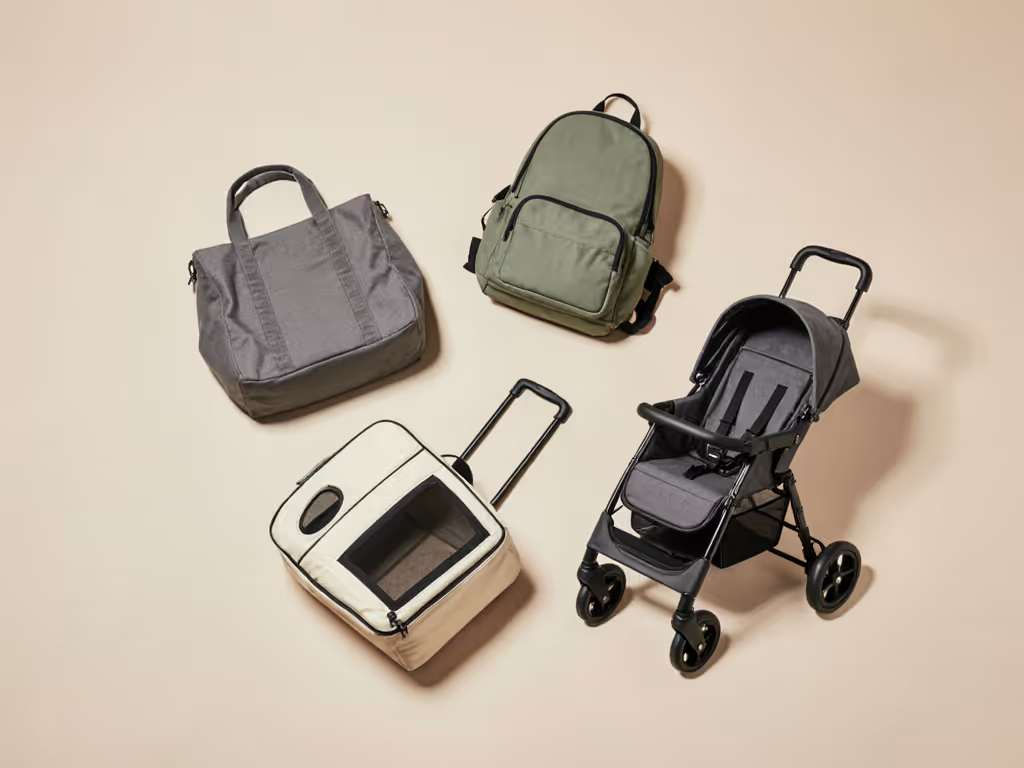
| Carrier Type | Brewery Use | Winery Use |
|---|---|---|
| Soft tote | Great under tables; easy to stash; watch weight | Refined look; fine for short walks from parking |
| Backpack | Ideal if you walk/transit; hands-free | Okay for vineyard walks; may look more casual |
| Sling | Good for tiny, clingy pets; short visits only | Less support for longer sessions; watch ventilation |
| Stroller | Depends on venue; can be bulky indoors | Useful on large properties; check policy first |
Use the table as a starting silhouette map, then refine by your pet's body and temperament.
Policies vary, but these practices reduce friction:
Call or check the venue's FAQ. Look for specific language: "on leash," "fully contained," "outdoor areas only," "not allowed in food-prep areas."
Arrive with your pet already inside. Walking in with your dog loose and then tucking them away feels different to staff than arriving with a calm, enclosed pet who stays that way unless invited out.
Keep the footprint tight. Position the carrier directly under your table or against a wall so it doesn't create a trip hazard.
No paws, heads, or tails sticking out. Even if allowed, visible limbs crossing the aisle remind staff there's an animal in play and may prompt requests or complaints.
Bring a minimal kit. Collapsible bowl, a flat leash, a few low-crumb treats, and waste bags. Avoid crinkly treat bags and squeaky toys in tight spaces.
A carrier that behaves like quiet luggage - visually and spatially - is less likely to be questioned.
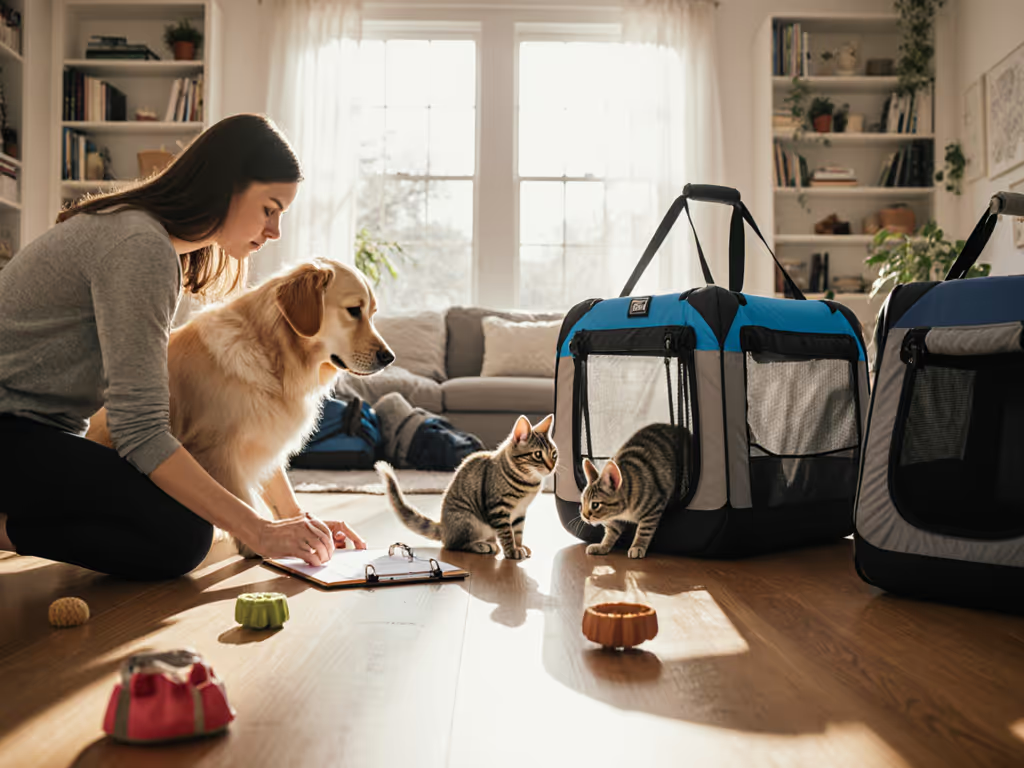
Plan for 2-3 weeks of prep before your first long outing: For step-by-step acclimation methods, follow our carrier introduction guide.
Week 1 - Positive association at home
Week 2 - Door time and movement
Week 3 - Field tests
If your pet still pants heavily, claws at mesh, or vocalizes after graded practice, scale back: shorter stays, quieter venues, or more distance from speakers and high-traffic aisles.
For breweries and wineries, expect mess: After messy outings, use our deep-cleaning checklist to remove odors and extend your carrier's life.
Water-resistant or waterproof base. Look for coated fabric or rubberized bottoms; these insulate against cold concrete or damp lawns.
Removable, machine-washable liner. A zip-off or velcro-secured pad you can launder after a beer or wine splash, drool, or nervous accident.
Smooth interior surfaces. Avoid heavy, plush interiors that trap liquid and odors; a firm pad plus a washable cover is easier to maintain.
Low-odor materials. If it smells like chemicals out of the box, air it out thoroughly before use; strong off-gassing can bother both pets and humans in closed rooms.
Think in layers, as you do with clothing:
Summer
Shoulder seasons
Winter
Seasonal adaptability is about swappable textiles more than buying multiple bags.
Yes, if you choose for multi-mode performance rather than a single scenario.
Look for:
This turns your carrier into a daily tool: vet visits, rideshares (where fully enclosed pets are often more accepted), coworking days, and then Friday night at the brewery. If you use on-demand rides often, check our ride-share compliant carrier guide for policies and best practices.
To turn this into a concrete decision:
Map your real scenarios. Write down how you actually move: walk + bus to a taproom, drive to a rural winery, or bike to a neighborhood brewery.
Measure your pet by the numbers. Length, shoulder height, girth, and weight - and note any special traits (long back, broad chest, anxious temperament).
Choose your silhouette. Decide whether your anchor carrier is a structured tote, a backpack, or a convertible piece based on that movement map.
Audit features against your list. Ventilation, rigid base, washable liner, water-resistant bottom, neutral color, multiple carry modes.
Test at home, then in low-stakes venues. Treat acclimation as part of the purchase, not an afterthought.
From there, you can explore specific models with a sharper eye: you're no longer browsing aimlessly, you're checking candidates against a precise, rule-checked specification. The right carrier will disappear into the background of your brewery and winery days while quietly doing the real work for both you and your pet.